
For much of modern medical history, clinical practice operated on a fundamentally reactive model. Physicians waited for a disease to produce outward, macroscopic evidence—a palpable lump, sudden chest pain, progressive cognitive decline, or abnormal blood sugar spikes—before initiating an diagnostic workup. While emergency interventions and symptom-based therapies have saved countless lives, waiting for clinical symptoms to manifest often means the underlying pathology has already gained a formidable foothold. By the time an organ shows functional impairment, cellular damage is frequently advanced, structural changes are entrenched, and therapeutic options narrow significantly.
The rapid maturation of biomarker science has initiated a profound shift away from this reactive framework. By capturing subtle molecular, biochemical, and genetic signals within the body long before physical symptoms emerge, biological markers are rewriting the timeline of clinical intervention. They offer clinicians an objective window into the human body at the cellular level, making it possible to detect, classify, and treat life-threatening conditions during their earliest and most vulnerable stages.
What Are Biomarkers: The Molecular Fingerprints of Human Biology
At its core, a biomarker—short for biological marker—is any measurable indicator of a biological state or condition. These indicators can be tracked and evaluated as measures of normal biological processes, pathogenic processes, or pharmacologic responses to a therapeutic intervention. While familiar physiological metrics like resting blood pressure and body temperature technically fit this definition, contemporary biomarker science focuses primarily on molecular entities circulating in body fluids or embedded in tissues.
Modern biomarkers span several complex biological categories:
-
Proteins and Peptides: Circulating enzymes, receptor fragments, or signaling molecules that spike in response to tissue distress, cellular death, or malignant proliferation.
-
Genomic Markers: Specific inherited gene mutations, chromosomal rearrangements, or alterations in gene expression that indicate elevated susceptibility to disease.
-
Epigenetic Modifications: Patterns of DNA methylation or histone modification that alter gene activity without changing the underlying genetic code, frequently serving as an early harbinger of malignant transformation.
-
Cell-Free Nucleic Acids: Fragments of circulating tumor DNA (ctDNA) or microRNAs shed by dying or diseased cells directly into peripheral blood.
-
Metabolites: Small molecules produced during cellular metabolism, such as organic acids, amino acids, or lipids, that signal shifts in metabolic pathways or organ dysfunction.
Rather than relying on subjective clinical evaluations, physicians use these molecular fingerprints to obtain quantifiable data regarding what is transpiring inside a patient’s tissues in real time.
Shifting from Late-Stage Response to Presymptomatic Interventions
The greatest clinical utility of biomarkers lies in closing the latency gap—the critical window between microscopic disease onset and the appearance of noticeable physical symptoms.
In oncology, early diagnosis often dictates whether a malignancy is curable or fatal. Conventional imaging modalities, such as computed tomography or mammography, require a tumor mass to achieve a certain physical size before it becomes visible against surrounding tissue. In contrast, liquid biopsies leverage circulating tumor DNA and tumor-derived extracellular vesicles to identify the presence of malignant growth when the lesion comprises only a few hundred or thousand cells. Detecting carcinomas at Stage 0 or Stage 1 allows for localized, minimally invasive resections long before metastatic seeding occurs, dramatically improving five-year survival metrics.
Cardiovascular medicine has undergone a similar evolution through the adoption of high-sensitivity cardiac troponins and B-type natriuretic peptides. Traditional cardiac enzymes required massive myocardial necrosis before registering on blood panels. Modern high-sensitivity troponin assays can detect microscopic levels of myocardial cell injury within an hour of ischemia. This allows emergency clinicians to rule in or rule out acute myocardial infarction rapidly, intervene before extensive heart muscle dies, and identify chronic, subclinical vascular strain before catastrophic arterial blockages occur.
A Breakthrough in Neurodegenerative and Chronic Care
Perhaps nowhere is the impact of biomarker discovery more urgently needed than in neurology. Conditions like Alzheimer’s disease and Parkinson’s disease were long considered intractable diagnostic challenges, largely because brain tissue cannot be routinely biopsied, and definitive structural confirmation often arrived only on post-mortem examination. By the time an individual demonstrates noticeable memory lapses, spatial confusion, or motor tremors, extensive neuronal loss has already taken place.
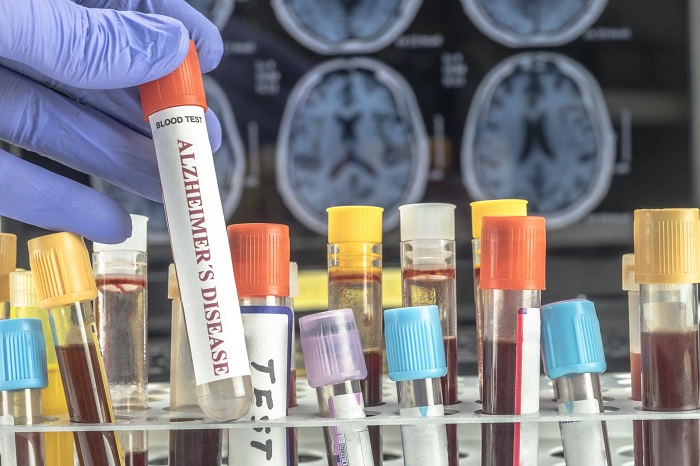
Recent breakthroughs in blood-based biomarkers have radically altered this landscape. Assays measuring plasma phosphorylated tau (p-tau217 and p-tau181) and ratios of amyloid-beta peptides can now identify the hallmark proteopathic plaques and neurofibrillary tangles of Alzheimer’s disease up to two decades before overt clinical dementia sets in. Similarly, tracking neurofilament light chain (NfL) provides an objective gauge of ongoing axonal destruction across multiple neurodegenerative disorders.
These blood tests eliminate the need for expensive, specialized positron emission tomography (PET) scans or invasive lumbar punctures for cerebrospinal fluid extraction. More importantly, they establish an objective baseline for clinical trials, enabling researchers to test emerging disease-modifying therapies on patients whose cognitive networks are still intact.
Fueling the Era of Personalized Medicine
Beyond simply confirming whether a pathology exists, modern biomarkers provide granular detail about the specific biological subtype of a disease. Two individuals presenting with anatomically identical lung tumors may have completely different underlying molecular drivers.
Predictive biomarkers determine whether a patient is likely to benefit from a specific therapeutic agent. Testing for human epidermal growth factor receptor 2 (HER2) in breast cancer, epidermal growth factor receptor (EGFR) mutations in non-small cell lung cancer, or programmed death-ligand 1 (PD-L1) expression across multiple solid tumors allows oncologists to bypass broad-spectrum cytotoxic chemotherapy in favor of targeted kinase inhibitors or immune checkpoint inhibitors.
This level of precision prevents patients from enduring the toxic side effects of treatments destined to fail, reduces healthcare costs associated with ineffective therapies, and aligns clinical decisions with the exact genetic vulnerabilities of the patient’s condition.
Addressing the Technical Challenges: Accuracy, Noise, and Overdiagnosis
Despite their transformative potential, integrating biomarkers into routine population screening requires careful calibration. The primary clinical hurdle centers on balancing sensitivity (the ability to correctly identify individuals who have the disease) with specificity (the ability to correctly identify those who do not).
A screening test that generates false-positive results can trigger widespread psychological distress, costly follow-up imaging, and unnecessary invasive procedures like needle biopsies. Conversely, false-negative results offer a dangerous sense of false security. Many individual biomarkers fluctuate in response to transient, non-threatening biological events; for instance, systemic inflammation or a minor viral infection can temporarily elevate markers typically associated with chronic disease.
There is also the genuine concern of overdiagnosis—detecting indolent, slow-growing micro-abnormalities that would never have produced symptoms or shortened an individual’s natural lifespan. To overcome these limitations, diagnostic medicine is moving toward multi-omic profiling. Rather than relying on a single isolated protein or mutation, modern platforms integrate genomics, proteomics, and metabolomics with artificial intelligence algorithms. By synthesizing multiple biological layers at once, these systems filter out background biological noise and deliver highly accurate risk assessments.
The transition toward biomarker-driven medicine represents a permanent turning point in clinical diagnostics. By transforming faint molecular disturbances into clear, actionable clinical directives, biomarkers strip away the uncertainty that has historically accompanied early-stage disease. As testing methods grow more sensitive, affordable, and accessible, medicine moves closer to a future where major illnesses are identified and neutralized before they ever have the chance to disrupt human life.