
close

June 2025

Therapy

The Comprehensive Guide to Modern Therapy Practices

Introduction
Therapy is a cornerstone of modern mental and physical healthcare, offering structured methods to address psychological, emotional, and behavioral challenges. The practice of therapy encompasses a diverse range of modalities, from traditional talk therapy to innovative somatic and digital approaches. Its significance extends beyond symptom management, fostering resilience, emotional intelligence, and long-term wellness. This article delves into the evolving landscape of therapy, evidence-backed practices, and practical considerations for individuals seeking meaningful support.

Understanding Therapy and Its Core Principles
At its essence, therapy involves a professional helping relationship designed to promote mental, emotional, and behavioral well-being. Licensed therapists, psychologists, and counselors employ evidence-based techniques to help clients understand underlying patterns, develop coping strategies, and achieve personal growth. Key principles of therapy include:

  • Confidentiality: Protecting the privacy of client information to foster trust and openness.
  • Empathy and Active Listening: Engaging deeply with client experiences to facilitate understanding and connection.
  • Goal-Oriented Intervention: Collaboratively setting measurable objectives that guide treatment progress.
  • Evidence-Based Practice: Applying interventions validated through scientific research for optimal outcomes.

These foundations ensure therapy is not just supportive but clinically effective, adaptable to individual needs, and grounded in professional ethics.

Types of Therapy and Their Applications

1. Cognitive Behavioral Therapy (CBT)
CBT is one of the most widely studied therapeutic approaches, focusing on identifying and restructuring negative thought patterns. Research demonstrates CBT’s efficacy in treating depression, anxiety, phobias, and obsessive-compulsive disorders. Its structured framework helps clients:

  • Recognize distorted thinking patterns
  • Develop healthier coping mechanisms
  • Implement actionable behavior changes
  • Monitor progress through measurable goals

CBT’s versatility allows for individual, group, and even digital implementations, making it accessible to diverse populations.

2. Psychodynamic Therapy
Rooted in the exploration of unconscious processes, psychodynamic therapy examines early life experiences and internal conflicts. By uncovering unresolved issues, clients gain insight into present-day behaviors and relational patterns. This approach emphasizes:

  • Insight into emotional drivers
  • Interpretation of recurring behavioral patterns
  • Development of self-awareness and emotional regulation

Although often longer in duration, psychodynamic therapy provides deep, transformative understanding of complex psychological challenges.

3. Humanistic Therapy
Humanistic approaches, including client-centered therapy, prioritize personal growth, self-actualization, and intrinsic worth. Core components include:

  • Unconditional positive regard: Accepting clients without judgment
  • Empathic understanding: Engaging with client experiences deeply
  • Self-exploration: Encouraging authentic expression and autonomy

Humanistic therapy is particularly effective in building self-esteem, fostering creativity, and resolving existential concerns.

4. Integrative and Multimodal Approaches
Modern therapy often incorporates elements from multiple modalities to address the unique needs of each client. Integrative therapy might combine CBT techniques with mindfulness practices or psychodynamic insights, creating a tailored approach that enhances efficacy. Multimodal therapy emphasizes flexibility, recognizing that human behavior and mental health are complex and multifaceted.

Specialized Therapeutic Interventions

1. Trauma-Focused Therapy
Trauma-focused therapy addresses psychological responses to past traumatic events, employing techniques like Eye Movement Desensitization and Reprocessing (EMDR), somatic experiencing, and narrative therapy. Benefits include:

  • Reducing post-traumatic stress symptoms
  • Reframing traumatic memories in a safe context
  • Enhancing emotional regulation and resilience

This form of therapy is critical for individuals recovering from abuse, accidents, or significant life disruptions.

2. Family and Couples Therapy
Family and couples therapy target relational dynamics, communication patterns, and shared problem-solving. Core objectives include:

  • Improving interpersonal communication
  • Resolving conflicts and fostering cooperation
  • Strengthening emotional bonds
  • Enhancing understanding across generational or cultural differences

Such therapy is particularly impactful in navigating complex family systems, parenting challenges, and marital strain.

3. Somatic and Body-Oriented Therapies
Somatic therapy integrates the mind-body connection, focusing on physical sensations to release emotional tension stored in the body. Techniques include breathwork, movement therapy, and body awareness exercises. These approaches help clients:

  • Process trauma through physical awareness
  • Reduce chronic stress and anxiety
  • Enhance overall emotional regulation

Evidence supports the effectiveness of somatic interventions, particularly for trauma-related disorders and stress management.

Digital and Teletherapy: The Modern Evolution
The rise of teletherapy has transformed access to mental health care. Digital platforms provide:

  • Remote video and chat-based sessions
  • Mobile applications for self-monitoring and skill-building
  • Increased flexibility for scheduling and frequency

Teletherapy improves accessibility for individuals in remote locations or those with mobility constraints. While convenient, it also requires attention to secure platforms, privacy considerations, and the establishment of therapeutic rapport in virtual settings.

Measuring the Effectiveness of Therapy
Evidence-based evaluation is central to successful therapeutic outcomes. Therapists utilize tools such as:

  • Validated questionnaires: Measuring symptoms of depression, anxiety, and other mental health indicators
  • Behavioral tracking: Monitoring progress in real-life contexts
  • Feedback-informed treatment: Incorporating client feedback to adapt interventions

These methods ensure therapy is dynamic, responsive, and aligned with the client’s goals.

Challenges and Considerations in Therapy
Despite its benefits, therapy faces certain challenges:

  • Access and affordability: Financial constraints can limit regular engagement
  • Cultural competence: Therapists must understand diverse cultural backgrounds to provide effective care
  • Stigma: Social perceptions may discourage individuals from seeking support
  • Therapist-client fit: Establishing trust and rapport is essential for meaningful outcomes

Addressing these challenges involves public education, policy initiatives, and therapist training programs to enhance inclusivity and accessibility.

Integrating Therapy into Daily Life
Therapy extends beyond sessions. Practical steps for clients include:

  • Maintaining a reflective journal to track thoughts and emotions
  • Practicing mindfulness and stress-reduction exercises
  • Applying coping strategies learned during sessions in real-life scenarios
  • Engaging in supportive social networks to reinforce progress

This integration ensures therapeutic gains are sustained and translated into everyday resilience.

FAQ Section

What distinguishes CBT from other forms of therapy?
CBT is highly structured, goal-oriented, and evidence-based. Unlike psychodynamic approaches, it focuses on current thoughts and behaviors rather than historical or unconscious influences.

Can therapy help with physical health issues?
Yes, therapy can improve conditions influenced by stress, such as hypertension, chronic pain, and gastrointestinal disorders. Mind-body approaches and stress-management interventions demonstrate measurable health benefits.

How long does therapy typically last?
Therapy duration varies by modality, client needs, and goals. CBT often involves 8-20 sessions, while psychodynamic therapy may span months or years. Flexibility allows treatment to be personalized.

Is teletherapy as effective as in-person therapy?
Research indicates teletherapy can be equally effective for many conditions, provided technological reliability, privacy, and therapeutic rapport are maintained.

How can someone choose the right therapist?
Consider factors such as specialization, therapeutic approach, cultural competence, and personal comfort with the therapist. Initial consultations help assess compatibility.

What role does family involvement play in therapy?
Involving family members can strengthen communication, support system understanding, and enhance outcomes, particularly for adolescents or relational challenges.

Conclusion
Therapy represents a dynamic and evolving field, integrating science, empathy, and innovation to support human well-being. Through modalities ranging from cognitive restructuring to somatic interventions, therapy addresses psychological, emotional, and behavioral challenges with precision and compassion. Modern approaches, including teletherapy and integrative models, expand accessibility while maintaining evidence-based standards. Ultimately, therapy empowers individuals to develop resilience, foster meaningful relationships, and achieve sustainable personal growth. By understanding the depth, diversity, and practical applications of therapeutic practices, clients and clinicians alike can maximize the transformative potential of this vital healthcare resource.

read more
Medical

Exploring the World of Medical Science: Advances, Practices, and Implications

The field of medical science is a dynamic and continually evolving discipline that seeks to understand, diagnose, treat, and prevent illnesses in humans. The term medical encompasses a wide range of practices, technologies, and research dedicated to improving human health. From the earliest herbal remedies to cutting-edge gene therapies, the medical field has consistently expanded its capacity to extend life, enhance quality of life, and tackle complex diseases. This article explores the multifaceted world of medical science, highlighting its core components, innovations, challenges, and societal impact.

What Does Medical Science Encompass?

Medical science involves the study and application of knowledge concerning the human body, diseases, treatments, and preventive measures. It integrates biology, chemistry, genetics, pharmacology, and technology to address health-related concerns.

Key elements of medical science include:

  • Diagnosis of illnesses through clinical evaluation, laboratory tests, and imaging
  • Treatment of diseases using pharmaceuticals, surgery, and lifestyle interventions
  • Research and development of new medical technologies and therapies
  • Public health initiatives to prevent and control disease outbreaks

The medical field is not limited to doctors and hospitals; it also includes nurses, technicians, researchers, policymakers, and allied health professionals who collectively contribute to the health ecosystem.

Historical Evolution of Medical Practices

Medical science has undergone tremendous transformation over centuries:

1. Ancient Medical Practices

Early civilizations relied on natural remedies, herbal medicines, and spiritual healing. Ancient texts from Egypt, China, and India document early surgical procedures, herbal pharmacology, and preventive measures such as hygiene practices.

2. Medieval and Renaissance Medicine

During the medieval period, medical knowledge advanced through anatomical studies, experimentation, and the establishment of medical schools. The Renaissance era emphasized empirical observation, laying the foundation for modern medical practices.

3. Modern Medicine

The discovery of microorganisms, antibiotics, vaccines, and diagnostic imaging revolutionized healthcare. Evidence-based medicine became the standard, with clinical trials and research guiding treatment decisions.

4. Contemporary Advances

Today, medical science embraces precision medicine, telemedicine, robotics-assisted surgery, and regenerative therapies. Innovations like CRISPR gene editing, immunotherapy, and artificial intelligence in diagnostics are redefining the boundaries of treatment and prevention.

Branches of Medical Science

Medical science is a vast field, encompassing multiple specialized branches. Understanding these specialties highlights the complexity and depth of the medical profession.

1. Clinical Medicine

Clinical medicine focuses on the diagnosis and treatment of diseases in patients. Subspecialties include:

  • Internal Medicine: Diagnosis and management of adult diseases
  • Pediatrics: Medical care for infants, children, and adolescents
  • Surgery: Surgical interventions for injury, disease, and deformities
  • Emergency Medicine: Immediate care for acute illnesses and trauma

2. Medical Research

Medical research aims to discover new knowledge about human health and disease. It includes:

  • Basic Research: Understanding cellular, molecular, and genetic mechanisms
  • Translational Research: Applying laboratory findings to clinical practice
  • Clinical Trials: Testing the safety and efficacy of new treatments

3. Preventive Medicine

Preventive medicine focuses on health promotion and disease prevention, encompassing:

  • Vaccination programs
  • Lifestyle interventions
  • Public health campaigns
  • Screening and early detection initiatives

4. Medical Technology

Medical technology integrates devices, software, and tools to enhance diagnosis, treatment, and monitoring. Examples include:

  • MRI and CT scanners
  • Robotic surgical systems
  • Wearable health monitors
  • AI-powered diagnostic platforms

5. Specialized Medical Fields

Other medical fields include psychiatry, cardiology, neurology, oncology, dermatology, endocrinology, and more. Each specialty addresses a unique set of health concerns and requires extensive training and expertise.

Diagnostic Practices in Medicine

Accurate diagnosis is the cornerstone of effective medical treatment. Medical professionals employ various diagnostic tools and procedures, including:

  • Laboratory Testing: Blood counts, biochemistry, microbiology, and genetic testing
  • Imaging Studies: X-rays, CT scans, MRIs, and ultrasounds to visualize internal structures
  • Physical Examination: Evaluating signs such as heart rate, blood pressure, and reflexes
  • Patient History: Collecting detailed information about symptoms, lifestyle, and family history

Early and precise diagnosis improves treatment outcomes, reduces complications, and minimizes healthcare costs.

Treatment Modalities in Modern Medicine

Treatment in medicine is highly individualized, considering the patient’s condition, age, lifestyle, and preferences. Common approaches include:

1. Pharmacological Interventions

Medications remain a primary treatment modality, with categories such as:

  • Antibiotics and antivirals: Combat infectious diseases
  • Analgesics and anti-inflammatory drugs: Manage pain and inflammation
  • Hormonal therapies: Treat endocrine disorders
  • Targeted therapies: Used in oncology to attack specific cancer cells

2. Surgical Interventions

Surgery is employed to remove tumors, repair injuries, replace organs, or correct anatomical anomalies. Advancements in minimally invasive and robotic surgery have reduced recovery times and improved precision.

3. Lifestyle and Behavioral Therapies

Behavioral modifications, nutrition counseling, and physical therapy play a crucial role in managing chronic diseases such as diabetes, hypertension, and cardiovascular conditions.

4. Emerging Therapies

Medical science increasingly leverages:

  • Regenerative Medicine: Using stem cells to repair damaged tissues
  • Gene Therapy: Correcting genetic defects at the DNA level
  • Immunotherapy: Harnessing the immune system to combat diseases like cancer
  • Telemedicine: Remote monitoring and virtual consultations improving access to care

The Role of Medical Ethics

Ethical considerations are central to medical practice. Medical professionals must balance patient autonomy, beneficence, non-maleficence, and justice. Ethical issues include:

  • Informed consent for treatments and procedures
  • Allocation of limited resources
  • Patient privacy and confidentiality
  • End-of-life care decisions

Medical ethics ensures patient safety, dignity, and trust while guiding healthcare providers in complex situations.

The Societal Impact of Medical Advances

Medical innovations have profound societal implications:

  • Increased Lifespan: Vaccines, antibiotics, and chronic disease management have extended average life expectancy
  • Reduced Morbidity: Early detection and treatment prevent complications and improve quality of life
  • Economic Benefits: Healthy populations contribute to workforce productivity and reduce healthcare costs
  • Global Health: Initiatives like WHO vaccination campaigns and disease eradication programs improve worldwide health outcomes

Challenges Facing Modern Medicine

Despite remarkable progress, the medical field faces significant challenges:

  • Rising healthcare costs and unequal access
  • Antibiotic resistance and emerging infectious diseases
  • Ethical dilemmas in genetic engineering and artificial intelligence
  • Managing chronic diseases associated with lifestyle changes
  • Adapting to technological innovations while maintaining human-centered care

Addressing these challenges requires collaboration among healthcare providers, researchers, policymakers, and the global community.

Preventive Measures and Health Promotion

Preventive medicine is a cornerstone of reducing disease burden and promoting wellness. Key strategies include:

  • Routine Health Screenings: Early detection of conditions such as cancer, diabetes, and hypertension
  • Vaccination Programs: Protect against preventable infectious diseases
  • Lifestyle Interventions: Encouraging exercise, healthy diet, and avoidance of harmful behaviors
  • Public Awareness Campaigns: Educating communities about health risks and preventive measures
  • Occupational and Environmental Health Measures: Minimizing exposure to hazards that can lead to disease

Investing in prevention not only saves lives but also reduces long-term healthcare expenditures.

Frequently Asked Questions (FAQs)

1. What is the significance of medical research in improving healthcare?
Medical research drives innovation, uncovers new treatment methods, and informs evidence-based practices. It enables early disease detection, development of new drugs, and advancement of personalized medicine.

2. How does technology influence modern medical practices?
Technological tools enhance diagnosis, treatment, and patient monitoring. Imaging, robotic surgery, AI-assisted diagnostics, and telemedicine improve accuracy, efficiency, and accessibility in healthcare delivery.

3. What role does preventive medicine play in public health?
Preventive medicine reduces the incidence and severity of diseases through vaccinations, screenings, lifestyle interventions, and education. It is essential for lowering healthcare costs and enhancing population health.

4. How do medical ethics impact patient care?
Ethical principles guide medical professionals in making decisions that respect patient autonomy, ensure safety, and promote fairness. They help navigate complex situations, including treatment choices and end-of-life care.

5. Can emerging therapies like gene editing cure all diseases?
While emerging therapies show great promise, they are not universally applicable. Gene editing, immunotherapy, and regenerative medicine are effective for specific conditions but are still under research for broader applications.

6. How can individuals contribute to their own health using medical knowledge?
By staying informed about preventive measures, adhering to prescribed treatments, maintaining healthy lifestyles, and seeking regular medical evaluations, individuals can actively manage their health and reduce disease risk.

7. Why is early diagnosis crucial in medicine?
Early diagnosis allows for timely treatment, prevents complications, improves survival rates, and enhances overall quality of life. It is particularly vital for conditions like cancer, cardiovascular diseases, and diabetes.

Medical science remains a pillar of human advancement, continuously shaping how societies understand, treat, and prevent illnesses. By integrating research, technology, ethical practices, and preventive measures, the medical field not only prolongs life but also enriches the quality of life. Understanding and engaging with medical knowledge empowers individuals and communities to make informed health decisions and fosters a more resilient and healthier society.

read more
Disease

Understanding Disease: Causes, Types, and Management

Disease is a complex biological phenomenon that affects humans, animals, and even plants, disrupting normal physiological processes and leading to impaired health. Understanding disease requires an exploration of its origins, mechanisms, classification, and the strategies used to manage or prevent it. This article delves into the scientific, social, and clinical aspects of disease, providing a comprehensive guide for readers interested in health, medicine, and preventive care.

What Is Disease?

Disease refers to any abnormal condition that negatively affects the structure or function of part or all of an organism. It manifests as a deviation from normal biological processes, often accompanied by specific signs and symptoms. Diseases can be acute, chronic, infectious, or non-infectious, and they may arise from internal dysfunctions or external factors.

Key characteristics of disease include:

  • Disruption of normal bodily functions
  • Observable symptoms or signs
  • Measurable changes in biochemical or physiological markers
  • Potential to reduce quality of life or lifespan

Understanding the nature of a disease is essential for developing effective treatments and prevention strategies. Medical research increasingly emphasizes the interaction between genetics, environmental exposures, lifestyle, and pathogens in determining susceptibility to disease.

Causes of Disease

Disease can result from a variety of factors, often classified into several broad categories:

1. Genetic Factors

Some diseases are inherited due to mutations or defects in genes. These genetic diseases may manifest at birth or later in life and can include conditions such as cystic fibrosis, sickle cell anemia, and Huntington’s disease. Advances in genomic medicine now allow for early detection of many genetic disorders, enabling proactive interventions.

2. Pathogens

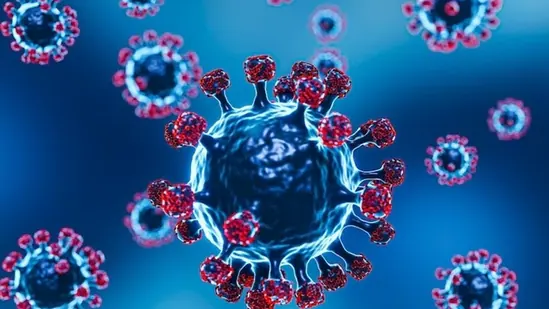
Infectious diseases are caused by microorganisms such as bacteria, viruses, fungi, or parasites. Examples include influenza, tuberculosis, malaria, and COVID-19. Pathogens invade the body, multiply, and disrupt normal bodily functions. The immune system plays a crucial role in defending against these infections, and vaccines have become one of the most effective tools in disease prevention.

3. Environmental Factors

Environmental influences such as pollution, chemical exposure, radiation, and occupational hazards can trigger diseases. For example, prolonged exposure to air pollutants can lead to respiratory disorders, while exposure to carcinogenic chemicals increases cancer risk. Understanding environmental risks is crucial for public health policies and preventive measures.

4. Lifestyle and Behavioural Factors

Diet, physical activity, alcohol consumption, smoking, and stress levels significantly affect health outcomes. Non-communicable diseases like cardiovascular disease, type 2 diabetes, and obesity are strongly linked to lifestyle choices. Promoting healthy behaviors through education, community programs, and policy interventions can mitigate these risks.

5. Immune System Dysfunctions

Autoimmune diseases, such as rheumatoid arthritis and lupus, occur when the immune system attacks the body’s own cells. Immune deficiencies, whether congenital or acquired, can leave individuals vulnerable to infections. Understanding the immune system’s role in disease has advanced treatments such as immunotherapy and targeted biologics.

Classification of Diseases

Diseases can be classified in various ways to facilitate diagnosis, treatment, and research.

1. Infectious vs. Non-Infectious

  • Infectious diseases are caused by pathogens and can spread between individuals. Examples include measles, HIV, and cholera.
  • Non-infectious diseases cannot be transmitted from person to person and often result from genetics, lifestyle, or environmental factors. Examples include diabetes, hypertension, and cancer.

2. Acute vs. Chronic

  • Acute diseases have a rapid onset and a relatively short course, such as influenza or appendicitis.
  • Chronic diseases develop slowly and persist over long periods, often for life, such as chronic kidney disease or arthritis.

3. Degenerative Diseases

These diseases involve the progressive deterioration of tissues or organs. Neurodegenerative diseases like Alzheimer’s and Parkinson’s result in the loss of nerve cells, leading to cognitive and motor dysfunction.

4. Genetic and Congenital Disorders

These conditions arise from inherited genetic mutations or anomalies present at birth. They can impact multiple organ systems and vary in severity.

5. Lifestyle-Related Diseases

These diseases are primarily influenced by personal behaviors and environmental factors. Cardiovascular diseases, obesity, and type 2 diabetes are examples of preventable lifestyle-related conditions.

Mechanisms of Disease Development

Understanding how diseases develop is critical for effective prevention and treatment. Several mechanisms contribute to disease onset:

  • Cellular injury: Damage to cells can occur due to toxins, infections, or physical trauma, initiating disease processes.
  • Inflammation: Chronic or excessive inflammation can contribute to tissue damage and disease progression, such as in autoimmune or cardiovascular conditions.
  • Genetic mutations: Alterations in DNA can disrupt normal cellular function, leading to inherited or acquired disorders.
  • Metabolic dysfunction: Imbalances in metabolic pathways, such as insulin resistance in diabetes, can lead to disease.
  • Pathogen invasion: Microbes can evade the immune system and cause tissue damage, leading to infectious diseases.

Diagnosis and Detection

Accurate diagnosis is vital for effective disease management. Modern diagnostic tools include:

  • Laboratory tests: Blood tests, urine analysis, and tissue biopsies reveal biochemical or cellular abnormalities.
  • Imaging techniques: X-rays, MRIs, CT scans, and ultrasounds provide visual evidence of structural changes.
  • Genetic testing: Detects inherited mutations and helps predict susceptibility to certain diseases.
  • Clinical evaluation: Medical history and physical examination remain fundamental in assessing symptoms and guiding further testing.

Early detection is critical, as many diseases are more manageable and treatable when identified at initial stages.

Treatment Approaches

Treatment strategies depend on the type, severity, and cause of the disease.

1. Medication

  • Antibiotics: Used for bacterial infections
  • Antivirals: Manage viral infections
  • Immunomodulators: Target autoimmune or immune-deficient conditions
  • Chronic disease medications: Manage symptoms and progression in conditions like hypertension or diabetes

2. Surgery

Surgical interventions may be necessary for structural abnormalities, tumor removal, or organ transplantation.

3. Lifestyle Interventions

Dietary modifications, exercise, stress management, and behavioral therapy are effective in preventing and managing many chronic and lifestyle-related diseases.

4. Preventive Measures

Vaccination, screening programs, sanitation, and public health initiatives are essential for controlling the spread of infectious diseases and reducing overall disease burden.

5. Emerging Therapies

Advances in medicine have introduced cutting-edge approaches such as gene therapy, personalized medicine, and immunotherapy. These treatments target diseases at the molecular or genetic level, offering promising results for previously untreatable conditions.

The Societal Impact of Disease

Diseases extend beyond individual health, affecting communities, economies, and public health systems. Chronic diseases increase healthcare costs and reduce workforce productivity. Infectious disease outbreaks can disrupt societies, as seen during the COVID-19 pandemic. Public health strategies, including education, vaccination campaigns, and environmental regulations, are critical to mitigating these impacts.

Prevention and Health Promotion

Preventing disease involves a combination of personal responsibility, community engagement, and policy support:

  • Healthy lifestyle adoption: Balanced diet, regular exercise, and avoidance of tobacco and excessive alcohol
  • Vaccination and immunization programs: Protect populations from contagious diseases
  • Regular medical check-ups: Facilitate early detection and timely interventions
  • Environmental protection: Reducing pollution and exposure to hazardous substances
  • Health education: Raising awareness about risk factors and preventive measures

Promoting wellness not only reduces disease incidence but also improves quality of life and longevity.

Real-Life Implications

Understanding disease is crucial for patients, healthcare providers, and policymakers. Individuals empowered with knowledge can make informed choices, adhere to preventive measures, and seek timely medical care. Healthcare providers benefit from insights into disease mechanisms, improving treatment protocols and patient outcomes. Policymakers rely on epidemiological data to allocate resources effectively and implement interventions that reduce the burden of disease on society.

Frequently Asked Questions (FAQs)

1. How do lifestyle choices affect the risk of developing disease?
Lifestyle choices such as diet, physical activity, alcohol consumption, and smoking can significantly influence the likelihood of developing chronic diseases, including cardiovascular disease, diabetes, and obesity. Preventive measures and healthy behaviors reduce these risks.

2. Can all diseases be prevented through vaccination or lifestyle changes?
Not all diseases are preventable. Genetic disorders, certain autoimmune conditions, and some degenerative diseases cannot be entirely prevented. However, vaccines, lifestyle modifications, and early interventions can substantially reduce the incidence and severity of many diseases.

3. How do genetic factors contribute to disease susceptibility?
Genetic mutations or inherited traits can predispose individuals to certain conditions. For example, BRCA gene mutations increase the risk of breast and ovarian cancers. Genetic testing can identify these risks, allowing for early preventive measures.

4. What role does the immune system play in disease prevention?
The immune system detects and eliminates pathogens, preventing infections. Dysfunction in immune response can result in increased susceptibility to infections or autoimmune diseases, highlighting the importance of immune health.

5. How do environmental factors influence disease development?
Environmental exposures, such as air pollution, chemical toxins, and occupational hazards, can trigger or exacerbate diseases. Mitigating these exposures through public health policies, workplace safety regulations, and personal protective measures is critical for disease prevention.

6. Why is early diagnosis important in disease management?
Early diagnosis allows for timely interventions, preventing disease progression and complications. Conditions like cancer, diabetes, and cardiovascular disease are more effectively managed when detected early, improving patient outcomes.

7. Are emerging therapies like gene therapy effective for all diseases?
Emerging therapies show promise for specific conditions, particularly genetic and certain chronic diseases. However, their applicability depends on the disease type, genetic factors, and ongoing research outcomes.

Disease is a multifaceted phenomenon that impacts individuals and societies at multiple levels. By understanding its causes, mechanisms, and preventive strategies, we can enhance health outcomes, reduce disease burden, and improve quality of life. Comprehensive knowledge, combined with proactive healthcare practices, remains the cornerstone of effective disease management and prevention.

read more