
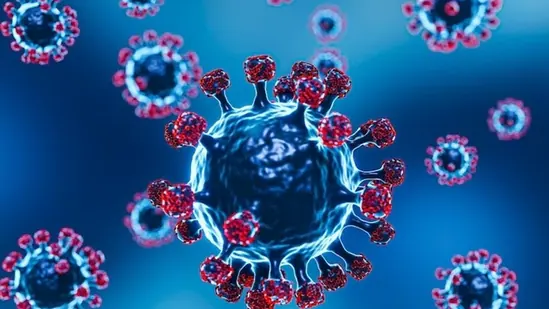
Disease is a complex biological phenomenon that affects humans, animals, and even plants, disrupting normal physiological processes and leading to impaired health. Understanding disease requires an exploration of its origins, mechanisms, classification, and the strategies used to manage or prevent it. This article delves into the scientific, social, and clinical aspects of disease, providing a comprehensive guide for readers interested in health, medicine, and preventive care.
What Is Disease?
Disease refers to any abnormal condition that negatively affects the structure or function of part or all of an organism. It manifests as a deviation from normal biological processes, often accompanied by specific signs and symptoms. Diseases can be acute, chronic, infectious, or non-infectious, and they may arise from internal dysfunctions or external factors.
Key characteristics of disease include:
- Disruption of normal bodily functions
- Observable symptoms or signs
- Measurable changes in biochemical or physiological markers
- Potential to reduce quality of life or lifespan
Understanding the nature of a disease is essential for developing effective treatments and prevention strategies. Medical research increasingly emphasizes the interaction between genetics, environmental exposures, lifestyle, and pathogens in determining susceptibility to disease.
Causes of Disease
Disease can result from a variety of factors, often classified into several broad categories:
1. Genetic Factors
Some diseases are inherited due to mutations or defects in genes. These genetic diseases may manifest at birth or later in life and can include conditions such as cystic fibrosis, sickle cell anemia, and Huntington’s disease. Advances in genomic medicine now allow for early detection of many genetic disorders, enabling proactive interventions.
2. Pathogens
Infectious diseases are caused by microorganisms such as bacteria, viruses, fungi, or parasites. Examples include influenza, tuberculosis, malaria, and COVID-19. Pathogens invade the body, multiply, and disrupt normal bodily functions. The immune system plays a crucial role in defending against these infections, and vaccines have become one of the most effective tools in disease prevention.
3. Environmental Factors
Environmental influences such as pollution, chemical exposure, radiation, and occupational hazards can trigger diseases. For example, prolonged exposure to air pollutants can lead to respiratory disorders, while exposure to carcinogenic chemicals increases cancer risk. Understanding environmental risks is crucial for public health policies and preventive measures.
4. Lifestyle and Behavioural Factors
Diet, physical activity, alcohol consumption, smoking, and stress levels significantly affect health outcomes. Non-communicable diseases like cardiovascular disease, type 2 diabetes, and obesity are strongly linked to lifestyle choices. Promoting healthy behaviors through education, community programs, and policy interventions can mitigate these risks.
5. Immune System Dysfunctions
Autoimmune diseases, such as rheumatoid arthritis and lupus, occur when the immune system attacks the body’s own cells. Immune deficiencies, whether congenital or acquired, can leave individuals vulnerable to infections. Understanding the immune system’s role in disease has advanced treatments such as immunotherapy and targeted biologics.
Classification of Diseases
Diseases can be classified in various ways to facilitate diagnosis, treatment, and research.
1. Infectious vs. Non-Infectious
- Infectious diseases are caused by pathogens and can spread between individuals. Examples include measles, HIV, and cholera.
- Non-infectious diseases cannot be transmitted from person to person and often result from genetics, lifestyle, or environmental factors. Examples include diabetes, hypertension, and cancer.
2. Acute vs. Chronic
- Acute diseases have a rapid onset and a relatively short course, such as influenza or appendicitis.
- Chronic diseases develop slowly and persist over long periods, often for life, such as chronic kidney disease or arthritis.
3. Degenerative Diseases
These diseases involve the progressive deterioration of tissues or organs. Neurodegenerative diseases like Alzheimer’s and Parkinson’s result in the loss of nerve cells, leading to cognitive and motor dysfunction.
4. Genetic and Congenital Disorders
These conditions arise from inherited genetic mutations or anomalies present at birth. They can impact multiple organ systems and vary in severity.
5. Lifestyle-Related Diseases
These diseases are primarily influenced by personal behaviors and environmental factors. Cardiovascular diseases, obesity, and type 2 diabetes are examples of preventable lifestyle-related conditions.
Mechanisms of Disease Development
Understanding how diseases develop is critical for effective prevention and treatment. Several mechanisms contribute to disease onset:
- Cellular injury: Damage to cells can occur due to toxins, infections, or physical trauma, initiating disease processes.
- Inflammation: Chronic or excessive inflammation can contribute to tissue damage and disease progression, such as in autoimmune or cardiovascular conditions.
- Genetic mutations: Alterations in DNA can disrupt normal cellular function, leading to inherited or acquired disorders.
- Metabolic dysfunction: Imbalances in metabolic pathways, such as insulin resistance in diabetes, can lead to disease.
- Pathogen invasion: Microbes can evade the immune system and cause tissue damage, leading to infectious diseases.
Diagnosis and Detection
Accurate diagnosis is vital for effective disease management. Modern diagnostic tools include:
- Laboratory tests: Blood tests, urine analysis, and tissue biopsies reveal biochemical or cellular abnormalities.
- Imaging techniques: X-rays, MRIs, CT scans, and ultrasounds provide visual evidence of structural changes.
- Genetic testing: Detects inherited mutations and helps predict susceptibility to certain diseases.
- Clinical evaluation: Medical history and physical examination remain fundamental in assessing symptoms and guiding further testing.
Early detection is critical, as many diseases are more manageable and treatable when identified at initial stages.
Treatment Approaches
Treatment strategies depend on the type, severity, and cause of the disease.
1. Medication
- Antibiotics: Used for bacterial infections
- Antivirals: Manage viral infections
- Immunomodulators: Target autoimmune or immune-deficient conditions
- Chronic disease medications: Manage symptoms and progression in conditions like hypertension or diabetes
2. Surgery
Surgical interventions may be necessary for structural abnormalities, tumor removal, or organ transplantation.
3. Lifestyle Interventions
Dietary modifications, exercise, stress management, and behavioral therapy are effective in preventing and managing many chronic and lifestyle-related diseases.
4. Preventive Measures
Vaccination, screening programs, sanitation, and public health initiatives are essential for controlling the spread of infectious diseases and reducing overall disease burden.
5. Emerging Therapies
Advances in medicine have introduced cutting-edge approaches such as gene therapy, personalized medicine, and immunotherapy. These treatments target diseases at the molecular or genetic level, offering promising results for previously untreatable conditions.
The Societal Impact of Disease
Diseases extend beyond individual health, affecting communities, economies, and public health systems. Chronic diseases increase healthcare costs and reduce workforce productivity. Infectious disease outbreaks can disrupt societies, as seen during the COVID-19 pandemic. Public health strategies, including education, vaccination campaigns, and environmental regulations, are critical to mitigating these impacts.
Prevention and Health Promotion
Preventing disease involves a combination of personal responsibility, community engagement, and policy support:
- Healthy lifestyle adoption: Balanced diet, regular exercise, and avoidance of tobacco and excessive alcohol
- Vaccination and immunization programs: Protect populations from contagious diseases
- Regular medical check-ups: Facilitate early detection and timely interventions
- Environmental protection: Reducing pollution and exposure to hazardous substances
- Health education: Raising awareness about risk factors and preventive measures
Promoting wellness not only reduces disease incidence but also improves quality of life and longevity.
Real-Life Implications
Understanding disease is crucial for patients, healthcare providers, and policymakers. Individuals empowered with knowledge can make informed choices, adhere to preventive measures, and seek timely medical care. Healthcare providers benefit from insights into disease mechanisms, improving treatment protocols and patient outcomes. Policymakers rely on epidemiological data to allocate resources effectively and implement interventions that reduce the burden of disease on society.
Frequently Asked Questions (FAQs)
1. How do lifestyle choices affect the risk of developing disease?
Lifestyle choices such as diet, physical activity, alcohol consumption, and smoking can significantly influence the likelihood of developing chronic diseases, including cardiovascular disease, diabetes, and obesity. Preventive measures and healthy behaviors reduce these risks.
2. Can all diseases be prevented through vaccination or lifestyle changes?
Not all diseases are preventable. Genetic disorders, certain autoimmune conditions, and some degenerative diseases cannot be entirely prevented. However, vaccines, lifestyle modifications, and early interventions can substantially reduce the incidence and severity of many diseases.
3. How do genetic factors contribute to disease susceptibility?
Genetic mutations or inherited traits can predispose individuals to certain conditions. For example, BRCA gene mutations increase the risk of breast and ovarian cancers. Genetic testing can identify these risks, allowing for early preventive measures.
4. What role does the immune system play in disease prevention?
The immune system detects and eliminates pathogens, preventing infections. Dysfunction in immune response can result in increased susceptibility to infections or autoimmune diseases, highlighting the importance of immune health.
5. How do environmental factors influence disease development?
Environmental exposures, such as air pollution, chemical toxins, and occupational hazards, can trigger or exacerbate diseases. Mitigating these exposures through public health policies, workplace safety regulations, and personal protective measures is critical for disease prevention.
6. Why is early diagnosis important in disease management?
Early diagnosis allows for timely interventions, preventing disease progression and complications. Conditions like cancer, diabetes, and cardiovascular disease are more effectively managed when detected early, improving patient outcomes.
7. Are emerging therapies like gene therapy effective for all diseases?
Emerging therapies show promise for specific conditions, particularly genetic and certain chronic diseases. However, their applicability depends on the disease type, genetic factors, and ongoing research outcomes.
Disease is a multifaceted phenomenon that impacts individuals and societies at multiple levels. By understanding its causes, mechanisms, and preventive strategies, we can enhance health outcomes, reduce disease burden, and improve quality of life. Comprehensive knowledge, combined with proactive healthcare practices, remains the cornerstone of effective disease management and prevention.