
close

2026

Treatment

How to Medically Intervene When a Family Member Refuses Treatment

Few experiences in life are as disorienting or emotionally draining as watching a family member suffer from an escalating medical or psychiatric condition while adamantly refusing help. Whether it is an aging parent showing signs of severe cognitive decline who refuses to see a physician, a sibling trapped in acute psychosis who insists nothing is wrong, or a relative ignoring life-threatening diabetic complications, the family dynamic quickly descends into crisis.
Well-meaning relatives often cycle through pleading, lecturing, and ultimatums, only to find that confrontation entrenches resistance. Stepping in requires moving past raw emotion and understanding the distinct intersections of clinical medicine, bioethics, and elder or mental health law. Intervening effectively demands knowing when an individual has the legal right to make destructive decisions, how to communicate around psychological resistance, and what procedural levers exist when immediate intervention becomes a matter of life or death.

The Legal Baseline: Autonomy Versus Clinical Capacity

In American jurisprudence and medical ethics, competent adults hold a fundamental right to bodily autonomy. This principle grants any person with legal competence the right to accept or refuse any medical treatment, even if that refusal leads directly to permanent disability or death. Choosing to forgo chemotherapy, refusing to manage congestive heart failure, or rejecting psychiatric medication does not automatically mean a person is legally incapacitated.
The pivotal distinction lies between legal competence and decision-making capacity:
  • Legal Competence: A legal status determined exclusively by a judge in a court of law. Every adult is presumed legally competent until proven otherwise through formal judicial proceedings.
  • Decision-Making Capacity: A clinical determination made by a healthcare provider regarding a specific decision at a specific point in time.
For a patient to possess the capacity to refuse care, they must be able to understand their diagnosis, comprehend the risks and benefits of proposed interventions, appreciate the realistic consequences of refusing care, and articulate a rational rationale for their choice. A patient who declines heart surgery because they value their current quality of life over surgical recovery may possess full capacity. Conversely, a patient who refuses insulin because they believe hospital staff are poisoning their bloodstream lacks decision-making capacity. Recognizing where your family member falls on this continuum dictates the options available to you.

Uncovering the Root Causes of Treatment Refusal

Before resorting to legal or emergency measures, families must determine what is driving the refusal. Resistance is rarely born from simple stubbornness; it is usually driven by profound neurological, psychological, or systemic factors.

The Phenomenon of Anosognosia

In conditions like bipolar disorder, schizophrenia, severe dementia, and certain traumatic brain injuries, refusal is frequently caused by anosognosia—a neurological deficit that leaves the brain unable to recognize its own illness. It is not psychological denial; rather, the frontal lobes fail to update self-awareness. Pleading with someone with anosognosia to acknowledge their illness is equivalent to asking someone with optic nerve damage to see. When dealing with this condition, direct arguments about symptoms will always fail because the individual genuinely experiences their altered reality as fact.

Fear, Autonomy Loss, and Systemic Mistrust

In other scenarios, refusal stems from fear of losing independence, terror of entering an institutional care facility, or past medical trauma. Older adults frequently conceal pain or mobility deficits because they worry that admitting vulnerability will lead to losing their driver’s license or being forced out of their homes. Similarly, financial anxiety—fear of catastrophic medical debt or burning through an inheritance—causes many individuals to downplay debilitating conditions. Identifying whether the resistance is anchored in fear rather than cognitive impairment allows you to alter your approach.

Non-Coercive Intervention: The LEAP Method

When immediate danger is absent, coercive tactics and aggressive confrontations almost always backfire. They activate the nervous system’s threat response, driving the individual into isolation. A far more effective tactical approach is the LEAP framework (Listen, Empathize, Agree, Partner), developed specifically to navigate treatment refusal without relying on conflict:
  • Listen Actively: Step away from the urge to correct, argue, or provide rational rebuttals. Listen to what the person is experiencing without validating delusions or arguing about factual reality.
  • Empathize with the Feeling: Acknowledge the underlying emotion rather than the distorted thought. If a relative refuses to see a doctor because they believe the clinic is bugged, do not debate surveillance; instead, validate that feeling watched must be terrifying and exhausting.
  • Agree on Common Ground: Identify shared goals that exist outside the diagnosis. Both you and your family member likely agree that they want to sleep better, avoid unbearable pain, remain living independently, or reduce family stress.
  • Partner on Solutions: Frame medical care as a targeted tool to achieve their personal goals rather than an admission of weakness. Position the doctor’s visit as a step toward preserving their current lifestyle, managing fatigue, or reviewing medications that might be making them feel sluggish.
Enlisting a respected third party can also dismantle resistance. People frequently reject advice from spouses or children due to complex familial dynamics, yet they will readily heed the counsel of an objective primary care physician, a trusted spiritual leader, or an old friend.

Emergency Protocols: When Refusal Becomes an Immediate Crisis

When an individual’s refusal to accept care leads to an acute, severe safety risk, voluntary negotiation must yield to protective intervention. Every state maintains statutory frameworks for involuntary psychiatric holds (known colloquially by various state terms, such as a 5150 hold in California or the Baker Act in Florida).
These involuntary holds are strictly governed by statutory criteria. They cannot be invoked simply because someone is eccentric, neglecting their hygiene, or making poor lifestyle choices. An individual must meet one of three specific legal thresholds:
  • Imminent danger to self: Active suicidal ideation with immediate intent, plan, or means.
  • Imminent danger to others: Concrete threats or physical actions demonstrating immediate intent to inflict severe bodily harm.
  • Grave disability: A state in which an individual is entirely unable to provide for their own basic survival needs—food, clothing, or essential shelter—due to a severe mental disorder or cognitive deficit.
If your loved one reaches this crisis point, contact local resources strategically. If your municipality offers a Mobile Crisis Team or mental health crisis response unit, request them directly. If calling 911 is unavoidable, inform the dispatcher that your family member is undergoing a psychiatric or medical crisis, state clearly that you need Crisis Intervention Team (CIT) trained officers, and disclose whether weapons are present to prevent tragic misunderstandings on arrival.

Long-Term Legal Remedies: Protective Services and Guardianship

When an individual suffers from progressive decline and persistently refuses critical medical management, families must explore formal administrative and legal remedies.

Activating Advance Directives

If your relative previously executed a Healthcare Power of Attorney or designated you as their healthcare proxy while they were healthy, examine the activation clause. Most directives require one or two physicians to evaluate the individual and formally sign a declaration stating that the patient has lost clinical decision-making capacity. Once activated, the designated proxy assumes the legal authority to make clinical decisions and access medical records, even if the patient currently objects.

Filing with Adult Protective Services

For older adults or vulnerable individuals exhibiting profound self-neglect—such as failing to eat, living in hazardous environments, or allowing untreated open wounds to become septic—contacting Adult Protective Services (APS) is an important step. APS social workers possess legal authority to investigate reports of self-neglect, conduct home assessments, coordinate clinical evaluations, and involve the courts when a vulnerable adult’s life is hanging in the balance.

Adult Guardianship or Conservatorship

The final, most drastic legal mechanism is petitioning a probate court for guardianship (often termed conservatorship of the person). This process strips an individual of their legal autonomy, transferring the authority to make medical, residential, and personal decisions to a court-appointed fiduciary.
Because guardianship removes fundamental constitutional liberties, courts treat it as an absolute last resort. The process requires filing medical affidavits, hiring legal counsel, undergoing an independent investigation by a court investigator, and presenting clear and convincing evidence at a formal hearing. If granted, guardianship provides total legal authority to override medical refusal, coordinate specialized placements, and ensure critical treatment is administered.
Intervening in a loved one’s medical care is an agonizing balance between respecting their humanity and protecting their life. While legal mechanisms exist to protect individuals from fatal consequences, they are complex, emotionally taxing tools. By approaching resistance with an understanding of clinical capacity, addressing the neurological roots of denial, and utilizing compassionate communication before escalating to the legal system, families can protect their loved ones while preserving what matters most: their dignity and connection.

read more
Therapy

How Cognitive Behavioral Therapy Works and Who May Benefit From It

Popular depictions of psychotherapy often rely on outdated tropes: a patient reclining on a velvet chaise lounge, recounting childhood dreams while an aloof analyst takes silent notes. While classical psychoanalysis certainly has historical significance, modern mental healthcare looks fundamentally different. Today, one of the most widely practiced, thoroughly evaluated, and practical modalities is Cognitive Behavioral Therapy (CBT).
Rather than spending years unpacking distant memories, CBT operates in the immediate present. It is an active, structured, and short-term approach that approaches emotional distress not as an immutable character flaw, but as a byproduct of learned cognitive habits and behavioral patterns. By teaching individuals to recognize the invisible feedback loop connecting their thoughts, feelings, and actions, CBT equips people with concrete tools to dismantle distorted perceptions and reclaim control over their psychological well-being.

The Cognitive Model: Decoding the Triad of Mind and Action

At the heart of CBT lies a deceptively simple premise: external events do not determine how we feel; rather, our interpretation of those events dictates our emotional and physical responses.
When an unexpected situation arises—such as an unanswered email from a supervisor or an awkward silence in a social circle—the human brain rapidly assigns meaning to the occurrence. If an individual interprets the silence through a lens of inadequacy, assuming they are about to be fired or rejected, their body initiates a stress reaction. Heart rates climb, anxiety spikes, and the person may instinctively withdraw, procrastinate, or lash out defensively. Conversely, someone who interprets that exact same silence as their manager being occupied with an urgent deadline experiences no emotional crisis.
This dynamic forms the core cognitive triangle, where three elements constantly influence one another:
  • Cognitions (Thoughts): The immediate, automatic thoughts and underlying core beliefs we hold about ourselves, others, and the world.
  • Affect (Emotions and Physiology): The subjective emotional states and physical sensations triggered by our mental interpretations.
  • Behaviors (Actions): The observable coping strategies, avoidance tactics, and habitual routines we execute in response to those thoughts and emotions.
Because this loop is reciprocal, a single maladaptive interpretation can spark a downward spiral. Avoidant behavior confirms negative thoughts, which deepens emotional suffering, prompting further avoidance. CBT intervenes directly at the cognitive and behavioral corners of this triangle to break the cycle.

How the Therapy Operates in Practice

CBT is not about positive thinking or repeating hollow affirmations. Forcing an anxious or depressed individual to pretend everything is wonderful is both dismissive and counterproductive. Instead, CBT is an exercise in collaborative empiricism, where therapist and client act as investigative partners treating thoughts as testable hypotheses rather than absolute truths.

Unmasking Automatic Thoughts and Cognitive Distortions

Throughout daily life, the human brain relies on mental shortcuts known as heuristics. While these shortcuts save cognitive energy, they can warp into cognitive distortions—systematic errors in thinking that reinforce negative emotions.
A central early task in CBT is identifying which distortions are driving a client’s distress. Common patterns include:
  • Catastrophizing: Anticipating the worst possible outcome while drastically underestimating one’s ability to cope with adversity.
  • All-or-Nothing Thinking: Viewing complex situations in rigid, black-and-white categories, where anything short of absolute perfection is interpreted as an outright failure.
  • Mind Reading and Fortune Telling: Concluding that others view you negatively or predicting that future endeavors are guaranteed to fail, without any concrete evidence.
  • Emotional Reasoning: Mistaking an internal feeling for external fact, assuming that because you feel terrified, a genuine physical danger must be imminent.

Cognitive Restructuring and Rational Appraisal

Once automatic thoughts are brought into conscious awareness, the therapist introduces cognitive restructuring. Clients learn to cross-examine their internal monologues using Socratic questioning.
Instead of accepting a thought like “I am going to embarrass myself and ruin this presentation,” the client evaluates the data. What is the actual evidence supporting this prediction? What is the evidence against it? What is the realistic worst-case scenario, and how would I handle it? Through this process, catastrophic assumptions are replaced with balanced, objective appraisals that reflect actual probability rather than anxious projection.

Behavioral Experiments and Systematic Exposure

Modifying intellectual thoughts alone is rarely enough to heal deep-seated distress; the nervous system requires experiential proof. This is where the behavioral component of CBT becomes crucial.
If someone fears social interaction because they believe people will mock them, the clinician helps design a behavioral experiment. The individual might intentionally drop a pen in a public space or ask a stranger for directions, observing whether the predicted catastrophe actually transpires.
Similarly, for conditions like phobias and panic disorder, therapists use graded exposure. Clients systematically confront feared sensations, objects, or environments in a controlled, step-by-step fashion. Over time, the brain undergoes habituation, recognizing that the perceived danger is survivable and dampening the fight-or-flight response.

Who Can Benefit from Cognitive Behavioral Therapy?

Because CBT focuses on practical problem-solving and cognitive regulation, its clinical utility extends across a vast range of psychiatric diagnoses and everyday life stressors.

Mood and Anxiety Disorders

CBT was originally pioneered to treat major depressive disorder. In depression, individuals often fall trapped in a triad of negative views regarding themselves, their world, and their future. By pairing cognitive restructuring with behavioral activation—the deliberate scheduling of rewarding, values-aligned activities to overcome depressive inertia—CBT restores momentum and counters hopelessness.
For generalized anxiety disorder, panic disorder, and social anxiety, CBT remains the clinical standard. It dismantles the avoidance patterns that feed anxiety, helping individuals tolerate physical sensations of fear and uncouple physical arousal from catastrophic interpretations.

Obsessive-Compulsive Disorder and Phobias

A specialized offshoot of CBT known as Exposure and Response Prevention (ERP) is the frontline behavioral treatment for obsessive-compulsive disorder. ERP involves systematically confronting the intrusive thoughts, images, or situations that trigger severe anxiety while deliberately resisting the performance of neutralizing rituals or compulsions. This retraining demonstrates that anxiety naturally dissipates on its own without ritualistic behaviors.

Insomnia and Sleep Architecture

One of the most profound applications of this modality is Cognitive Behavioral Therapy for Insomnia (CBT-I). Chronic insomnia is predominantly maintained by conditioned arousal around the bedroom and catastrophic beliefs about sleep loss. CBT-I uses stimulus control, sleep restriction protocols, and cognitive reframing to dismantle sleep anxiety, consistently proving more durable and effective than prescription sleep medications over the long term.

Somatic Pain and Chronic Illness Management

Living with fibromyalgia, migraines, irritable bowel syndrome, or chronic back pain places heavy strain on the central nervous system. CBT does not claim that chronic pain is imagined; rather, it targets the psychological amplification of pain signals. By minimizing pain-related catastrophizing, regulating stress hormones, and addressing fear-avoidance behaviors, patients experience measurable reductions in perceived pain severity and substantial improvements in daily functionality.

The Defining Architecture of CBT: Active Self-Reliance

What makes CBT fundamentally unique compared to other therapeutic models is its explicit goal of obsolescence. A skilled cognitive behavioral therapist does not seek to establish an open-ended, multi-year dynamic. The primary objective is to teach the client how to become their own clinician.
Sessions are structured with an explicit agenda, review of previous insights, and targeted skill acquisition. Crucially, the real work happens between appointments. Clients receive structured behavioral homework, such as maintaining thought records, practicing breathing protocols, or executing exposure tasks in their natural environments.
Mental health is not a static state of tranquility; it is an active capacity to navigate uncertainty, interpret challenges accurately, and respond constructively under stress. By untangling the automatic beliefs that dictate our emotional reactions, Cognitive Behavioral Therapy provides a pragmatic blueprint for personal autonomy, proving that when you change the way you examine your world, the way you experience it shifts alongside.
read more
Nutrition

How to Build a Gut-Friendly Meal Plan With Everyday Ingredients

Walk into any health food store or browse wellness media, and you will quickly be told that a healthy gut requires imported berry powders, artisan kombuchas, and fifty-dollar bottles of designer probiotics. The modern wellness industry routinely packages digestive health as an exclusive, high-cost pursuit reserved for specialty grocers. In reality, your gastrointestinal microbiome does not require boutique grocery items to thrive. The vast colonies of bacteria residing in the human colon are not looking for expensive branding; they run on biochemical substrates that have been kitchen staples for generations.
Building a resilient digestive system comes down to understanding how commensal bacteria interact with standard dietary fibers, resistant starches, and naturally occurring plant compounds. When you demystify what gut microbes actually need to survive and reproduce, you can construct an effective, digestion-supporting meal plan using standard ingredients from any local supermarket aisle.

Understanding What the Microbiome Actually Feeds On

The human digestive system lacks the specialized enzymes required to break down many complex plant carbohydrates. When you consume dietary fiber, it travels through the stomach and small intestine largely intact until it reaches the large intestine. There, trillions of bacteria, fungi, and other microbes ferment these undigested carbohydrate matrices.
This fermentation process is not an accidental biological quirk; it is the cornerstone of metabolic, digestive, and immune health. As beneficial microbes consume fermentable fibers, they produce short-chain fatty acids (SCFAs)—principally acetate, propionate, and butyrate. Butyrate serves as the primary fuel source for colonocytes, the epithelial cells that form the structural lining of the gut wall. These fatty acids strengthen intestinal barrier integrity, lower luminal pH to suppress opportunistic pathogens, and communicate with systemic immune cells. To nourish these organisms, your meal plan must supply them with steady, varied sources of microbial fuel.

Core Nutritional Pillars Found in Standard Grocery Aisles

You do not need to hunt down obscure ingredients to construct a gut-supporting menu. An effective pantry relies on four everyday categories of whole foods that work together to nourish and diversify the microbiome.

Prebiotic Fibers

Prebiotics are non-digestible food components that selectively stimulate the growth and metabolic activity of beneficial microorganisms. Standard grocery staples are naturally packed with these compounds. Onions, garlic, leeks, and shallots are rich in inulin and fructooligosaccharides, which feed protective bifidobacteria and lactobacilli strains. Bananas, particularly when eaten slightly underripe, provide inulin alongside gentle soluble fiber.
Whole rolled oats and pearled barley deliver beta-glucan, a viscous soluble fiber that forms a gel-like substance in the digestive tract, modulating transit time and providing an easily fermentable substrate for the lower gut. Legumes like canned black beans, brown lentils, and chickpeas supply galactooligosaccharides, which cultivate bacterial species associated with reduced inflammation and improved metabolic regulation.

Resistant Starches

Resistant starch functions biologically much like soluble fiber. It resists enzymatic breakdown in the upper digestive tract and ferments slowly across the length of the colon, generating significant amounts of butyrate without prompting sharp blood sugar spikes.
One of the simplest ways to introduce resistant starch into an everyday meal plan involves retrogradation: cooking starchy foods and letting them cool. When standard russet potatoes, sweet potatoes, or white and brown rice are cooked and subsequently chilled in the refrigerator, their amylose molecules recrystallize into retrograded resistant starch. Even when you gently reheat these foods later, a substantial portion of this crystalline structure remains intact, delivering potent fuel to your lower digestive tract with zero specialty shopping required.

Cultured and Naturally Fermented Foods

Introducing beneficial live microbes does not require expensive encapsulated supplements. Traditional fermented items deliver diverse arrays of active bacteria alongside supportive organic acids.
Look for plain, unflavored whole-milk or low-fat Greek yogurt or kefir in the conventional dairy case, checking the packaging to confirm the presence of live and active cultures. In the refrigerated deli section, seek out raw, unpasteurized sauerkraut or naturally brined pickles that do not list vinegar on their ingredient panels. True lactic acid fermentation uses water, salt, and cabbage to generate dense populations of Lactobacillus plantarum and other hardy strains. Adding just two tablespoons of raw kraut or a half cup of kefir to your daily intake provides continuous, food-based microbial replenishment.

Dietary Polyphenols

Polyphenols are natural defense compounds that protect plants against ultraviolet radiation and environmental stressors. When consumed, roughly ninety percent of these compounds escape absorption in the small intestine and travel directly to the colon, where they interact bi-directionally with the microbiome. Bacteria break polyphenols down into bioactive metabolites, while the polyphenols themselves help inhibit pathogenic species and encourage the proliferation of beneficial taxa like Akkermansia muciniphila.
Rich, accessible sources include frozen blueberries, dark green leafy vegetables like spinach and kale, unsweetened cocoa powder, standard green tea bags, and extra virgin olive oil.

Constructing a Realistic Daily Meal Framework

A practical gut-friendly meal plan must fit smoothly into a busy work schedule without demanding hours of complex preparation.

Morning: Microbial Inoculation and Soluble Fiber

Anchor breakfast with an oat and cultured dairy base. Combine rolled oats with unsweetened kefir or Greek yogurt, a tablespoon of ground flaxseed, and half a cup of thawed frozen berries.
The beta-glucan from oats, the lignans from flaxseed, and the anthocyanins from the berries work synergistically with the live cultures from the yogurt. This combination starts your day with substantial plant diversity, gentle bulk, and stable energy without overburdening the digestive tract.

Midday: High-Density Prebiotic Plant Bowl

Build lunch around legumes, crisp vegetables, and healthy fats. Toss canned chickpeas (rinsed and drained) with shredded green cabbage, baby spinach, thinly sliced red onions, and canned wild tuna or hard-boiled eggs for protein. Dress simply with extra virgin olive oil and lemon juice.
The oligosaccharides from the chickpeas, raw inulin from the red onions, and glucosinolates from the cabbage provide a wide spectrum of fermentable substrates. This dense combination feeds distinct microbial families while providing sustained satiety that prevents afternoon energy crashes.

Evening: Resistant Starch and Gentle Restoration

Center dinner around a familiar protein source—such as roasted chicken thighs, baked salmon, or firm tofu—paired with pre-cooked, chilled, and gently reheated roasted potatoes. Fill the rest of the plate with roasted carrots, steamed zucchini, or sautéed green beans.
Add two tablespoons of chilled, raw fermented sauerkraut right to the side of the plate. This meal delivers resistant starch, insoluble cellulose for healthy motility, and live lactic acid bacteria in a familiar, comforting format that is easy to digest before sleep.

Mitigating Digestive Distress During the Transition

A frequent mistake people make when revamping their diet for gut health is increasing fiber too rapidly. If your baseline intake consists largely of refined grains and low-fiber convenience foods, suddenly jumping to thirty-five or forty grams of daily fiber will overwhelm unadapted bacterial populations, producing excessive gas, cramping, and uncomfortable bloating.
To ensure a smooth, comfortable digestive transition:
  • Increase fiber gradually: Add one new high-fiber ingredient every three to four days rather than overhauling every meal simultaneously.
  • Prioritize hydration: Soluble fibers require water to form lubricating gels in the intestinal tract; without adequate fluid intake, increased fiber can exacerbate constipation rather than relieve it.
  • Cook tough vegetables: If large raw salads cause abdominal distress, steam, roast, or stew your produce. Heat softens cellulose walls and reduces mechanical strain on the gut while keeping the underlying fiber intact for microbial fermentation.
  • Rinse canned legumes thoroughly: Washing canned beans and lentils under cold water removes excess surface oligosaccharides that dissolve into the canning liquid, significantly reducing acute gas production.
Supporting your microbiome is fundamentally an exercise in everyday consistency rather than culinary perfection or expensive supplementation. By stocking your kitchen with affordable grains, humble legumes, alliums, and naturally cultured staples, you cultivate an internal ecosystem that protects your intestinal barrier, supports immune function, and maintains reliable digestive comfort over the long term.
read more
Nutrition

From Farm to Plate: How Food Freshness Influences Nutritional Quality

Walk through any modern American supermarket, and the produce aisle presents an image of perpetual abundance. Glossy bell peppers, vibrant strawberries, and crisp heads of lettuce sit neatly stacked under misting nozzles and bright lighting, regardless of whether it is mid-July or the dead of winter. It is an impressive feat of agricultural logistics, moving perishable goods across continents and oceans to satisfy consumer demand year-round.
Yet, this visual perfection masks a quiet biological reality. Crops are living organisms, and the moment a fruit, vegetable, or herb is severed from its parent plant or pulled from the soil, a relentless biochemical countdown begins. While modern refrigeration and controlled-atmosphere shipping can keep produce looking freshly picked for days or even months, cosmetic stability does not equate to nutritional preservation. The chronological age of food, and the conditions under which it travels from the soil to your plate, fundamentally shape the vitamins, minerals, and bioactive compounds your body actually absorbs.

The Biological Reality of the Post-Harvest Clock

To understand why food loses value over time, one must look at plant physiology after harvest. A growing plant continuously takes in water, draws minerals from the soil, and produces energy via photosynthesis. The instant a crop is harvested, those supply lines are permanently severed.
However, the plant cells do not die instantly. Instead, they continue to undergo cellular respiration. In an effort to keep their tissues alive, the cells consume their own internal reserves of sugars, organic acids, and water, exhaling carbon dioxide and moisture in the process. This metabolic burn gradually depletes the food’s internal energy stores.
As respiration continues, internal moisture evaporates through transpiration, leading to cellular wilting and the breakdown of cell wall integrity. Simultaneously, naturally occurring plant enzymes—such as lipoxygenases and polyphenol oxidases—begin breaking down complex cellular structures, accelerating internal decay. Every hour that elapses between the harvest field and the kitchen counter represents an ongoing drawdown of the plant’s finite nutritional capital.

Which Nutrients Are Most Vulnerable Over Time

Not every nutrient degrades at the same rate. Minerals like calcium, magnesium, iron, and potassium are inorganic elements; their elemental structures remain stable regardless of how long an onion sits in a pantry or a carrot stays in cold storage. The true casualties of post-harvest aging are organic micronutrients, particularly vitamins and specialized phytonutrients.

Water-Soluble Vitamins and Oxidation

The most fragile compounds in fresh produce are water-soluble vitamins, with vitamin C (ascorbic acid) and various B vitamins, particularly folate, leading the list. Ascorbic acid is notoriously unstable, degrading rapidly when exposed to atmospheric oxygen, ambient heat, and light.
When produce is harvested, cellular enzymes that were previously compartmentalized come into contact with ascorbic acid, converting it into dehydroascorbic acid and eventually into inactive compounds. Tender green leafy vegetables, which possess high surface-area-to-volume ratios, suffer this loss most acutely. Fresh spinach stored at typical room temperatures can lose up to eighty percent of its total vitamin C content within just three days of harvest. Even under strict refrigeration, delicate greens consistently shed a significant portion of their original vitamin C within a week.

The Breakdown of Phytonutrients and Antioxidants

Beyond standard vitamins, fresh plant foods are valued for their secondary metabolites—protective compounds like flavonoids, anthocyanins, glucosinolates, and carotenoids. These compounds serve as the plant’s internal defense system against environmental stressors and pests, and they provide powerful anti-inflammatory and antioxidant benefits to human physiology.
Because these compounds are chemically reactive by design, they oxidize rapidly once the plant’s internal repair mechanisms shut down. In cruciferous vegetables like broccoli and kale, beneficial glucosinolates degrade as the plant exhausts its cellular defenses. In berries and stone fruits, delicate anthocyanins—the pigments responsible for rich red, blue, and purple hues—begin to break down, resulting in both faded coloration and a measurably diminished capacity to neutralize free radicals.

Cold Storage and the Illusion of Freshness

The modern food system relies on industrial intervention to keep produce presentable over extended delivery timelines. Chief among these technologies is controlled atmosphere storage, which combines near-freezing temperatures with low-oxygen, high-carbon-dioxide environments to slow cellular respiration to a near standstill.
Apples provide a clear illustration of this dynamic. Many domestic commercial apples are harvested in the late summer or early fall, placed into massive sealed storage rooms where oxygen levels are dropped to around one to two percent, and treated with gaseous compounds like 1-methylcyclopropene to block ethylene reception, the hormone responsible for ripening. This process successfully keeps apples physically crisp and firm for nine to twelve months, allowing them to be sold long after the harvest season ends.
While this technology prevents rot and maintains appealing crunch, it cannot freeze time entirely. Over months of dormancy, delicate aromas vanish, organic acids slowly metabolize, and antioxidant capacity steadily erodes. The fruit you bite into in April may look identical to the one picked in September, but its inner biochemical profile is decidedly diminished.
A similar dynamic governs produce harvested underripe to survive long-distance transit. Commercial tomatoes, cantaloupes, and bananas are routinely picked green, before they have had the chance to draw full nourishment from the vine or root system. They are transported in refrigerated shipping containers and subsequently treated with synthetic ethylene gas inside distribution warehouses to induce cosmetic color change. While ethylene successfully triggers pigmentation, it cannot replicate the complex nutrient loading, sugar synthesis, and natural enzymatic maturation that occurs when a crop ripens naturally under the sun.

The Fresh Versus Frozen Paradox

Because consumers instinctively associate the word “fresh” with biological vitality, frozen produce is frequently relegated to second-tier status. In many circumstances, however, this perception runs counter to nutritional reality.
Produce intended for the fresh market must be harvested early, packaged, shipped via ground or air transit, sorted at regional distribution hubs, displayed on retail shelves, and finally stored in a home refrigerator. This entire journey often takes anywhere from one to three weeks.
Conversely, fruits and vegetables destined for freezing are generally grown to full physiological ripeness in fields located near processing facilities. Within hours of being picked, they are thoroughly washed, briefly blanched with steam or hot water to deactivate destructive spoilage enzymes, and subjected to individual quick freezing at temperatures well below zero degrees Fahrenheit.
This flash-freezing process locks cellular structures in place and effectively suspends metabolic respiration. While the brief blanching step does cause a minor initial loss of water-soluble vitamins, the remaining nutrient payload is essentially preserved in stasis. As a result, frozen green peas, blueberries, or green beans stored for several months frequently retain higher levels of vitamin C, folate, and carotenoids than their “fresh” counterparts that spent weeks traveling across the globe.

Maximizing Nutrient Retention in the Daily Kitchen

Eliminating supply chain delays entirely is impossible for most households, but adopting strategic habits can substantially reduce the nutritional erosion that occurs between the grocery store and the dining table.
  • Prioritize Local and Seasonal Channels: Sourcing produce through local farmers markets, community-supported agriculture programs, or neighborhood co-ops drastically shortens the timeline between harvest and consumption. A head of lettuce harvested twenty-four hours before purchase retains vastly more biological activity than one that spent ten days traveling from a distant agricultural basin.
  • Respect the Cold Chain at Home: Microbial growth and enzymatic breakdown accelerate dramatically at room temperature. Transfer perishable items like leafy greens, broccoli, and berries into cold refrigeration immediately after purchase, keeping humidity-sensitive items in appropriate crisper drawers to prevent moisture evaporation.
  • Keep Produce Whole Until Meal Preparation: Pre-chopping vegetables days in advance creates extensive cellular trauma, exposing internal tissues to light and atmospheric oxygen. Keep carrots, squashes, and heads of lettuce whole, cutting them only when you are ready to cook.
  • Rethink Cooking Techniques: Water-soluble vitamins readily leach into cooking liquids. Boiling vegetables and discarding the water results in substantial nutrient loss. Opt instead for rapid, low-moisture cooking methods like light steaming, stir-frying, or gentle sautéing, which preserve structural integrity and keep heat-sensitive compounds intact.
Viewing food freshness through the lens of nutrient density redefines how we value what we eat. A meal built around freshly harvested, seasonal ingredients offers far more than superior flavor and crisp texture; it supplies the body with uncompromised vitamins, active enzymes, and resilient phytonutrients that extended supply chains slowly strip away. Bridging the gap between the field and the kitchen is one of the most effective, accessible investments you can make in the long-term nutritional value of your diet.
read more
Health

The Role of Genetic Screening in Understanding Certain Inherited Health Risks

For generations, evaluating an individual’s vulnerability to hereditary illness relied almost entirely on family lore and fragmented medical recollections. A physician might note that an aunt died young of breast cancer or that a grandfather suffered a sudden heart attack in his fifties, using these anecdotes to construct a rudimentary family tree. While pedigree analysis provided a useful starting point, it was fundamentally limited by incomplete records, small family sizes, adoption, or relatives who passed away from unrelated causes before a genetic condition could manifest.
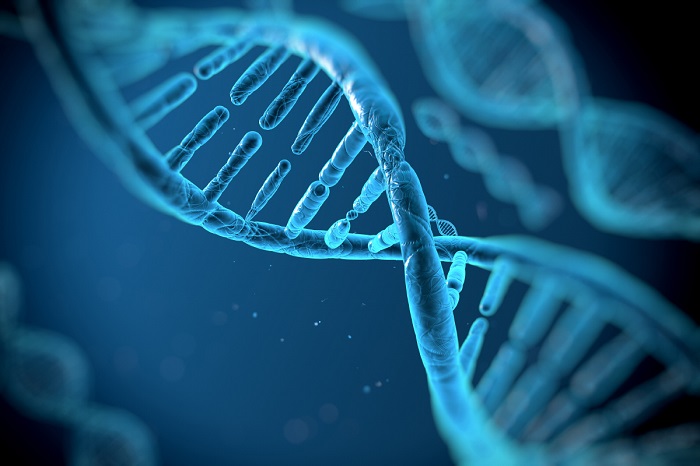
Modern clinical genetic screening replaces guesswork with molecular precision. By examining an individual’s DNA for specific pathogenic variants, clinicians can now identify disease risks long before biological changes or physical symptoms emerge. Rather than waiting for a condition to surface, genetic screening provides individuals and medical providers with an objective, personalized roadmap for proactive healthcare management.

Moving Beyond Family Trees to Molecular Certainty

Inherited health conditions stem from germline mutations—alterations in the genetic sequence present in the egg or sperm at conception that become incorporated into the DNA of every cell in the developing body. Because these variations are woven into an individual’s biological baseline, they can be passed down across generations in predictable autosomal dominant, autosomal recessive, or X-linked inheritance patterns.
However, having a family history of a disease does not automatically mean a person inherited the specific mutation that caused it. Conversely, the absence of a noticeable family history does not guarantee that someone is in the clear. Biological phenomena such as reduced penetrance mean that a person can carry a high-risk genetic variant without ever developing the associated illness, silently passing the mutation to subsequent generations who may not be as fortunate.
Clinical genetic screening cuts through this generational ambiguity. Using advanced laboratory methods like next-generation sequencing, medical laboratories can analyze targeted panels of genes or sequence entire coding regions to confirm whether a pathogenic alteration is genuinely present. This replaces statistical speculation with definitive genetic clarity.

High-Impact Clinical Arenas for Inherited Risk Assessment

While thousands of rare genetic disorders exist, genetic screening delivers its greatest clinical value in identifying inherited predispositions to common, life-threatening conditions where early intervention directly saves lives.

Hereditary Cancer Syndromes

Most malignancies occur sporadically due to accumulated somatic mutations caused by aging and environmental exposures. However, roughly five to ten percent of cancers are hereditary, driven by inherited germline mutations in tumor suppressor genes or DNA repair mechanisms.
The most widely recognized examples involve the BRCA1 and BRCA2 genes. Pathogenic mutations in these genes significantly elevate a person’s lifetime probability of developing breast, ovarian, pancreatic, and prostate cancers. While an average individual carries roughly a twelve percent lifetime risk of developing breast cancer, a BRCA1 mutation carrier faces a risk of up to seventy percent, often with an onset decades earlier than typical diagnoses.
Similarly, Lynch syndrome—caused by mutations in DNA mismatch repair genes such as MLH1, MSH2, MSH6, and PMS2—predisposes carriers to early-onset colorectal, endometrial, ovarian, and gastric cancers. Identifying these mutations allows clinicians to initiate intensive surveillance protocols long before standard screening guidelines would recommend.

Hereditary Cardiovascular Conditions

Cardiovascular disease is frequently attributed to diet, sedentary behavior, and smoking, but several dangerous cardiac conditions are strictly genetic. These disorders often progress silently, making them a leading cause of sudden, unexpected cardiac arrest in otherwise healthy young adults and athletes.
  • Familial Hypercholesterolemia (FH): Driven primarily by mutations in the LDLR, APOB, or PCSK9 genes, FH impairs the liver’s ability to clear low-density lipoprotein from the bloodstream. Individuals with FH endure lifelong elevations in circulating cholesterol, resulting in premature coronary artery disease if not treated early with aggressive lipid-lowering pharmacotherapy.
  • Inherited Cardiomyopathies: Conditions such as hypertrophic cardiomyopathy and dilated cardiomyopathy affect the structural architecture of the heart muscle, leading to electrical instability, arrhythmias, and sudden heart failure.
  • Arrhythmia Syndromes: Channelopathies like Long QT syndrome disrupt the electrical channels that coordinate heartbeat rhythm, predisposing carriers to syncope and fatal ventricular fibrillation under physical exertion or emotional stress.

Preconception and Carrier Screening

Genetic screening also plays a central role in family planning. Carrier screening evaluates whether prospective parents carry recessive genetic mutations for serious conditions like cystic fibrosis, spinal muscular atrophy, sickle cell disease, or Tay-Sachs disease.
Because carriers of autosomal recessive conditions typically exhibit no symptoms whatsoever, they are usually unaware of their status until they have an affected child. When both parents undergo carrier screening, they can identify whether they share a pathogenic variant in the same gene. If a twenty-five percent risk of passing the condition to their offspring is uncovered, couples can make informed reproductive decisions, such as utilizing in vitro fertilization with preimplantation genetic testing to ensure embryos are unaffected.

Clinical-Grade Testing Versus Consumer DNA Kits

The widespread commercial popularity of direct-to-consumer ancestry kits has generated considerable confusion regarding what constitutes legitimate medical screening. Mail-order hobby kits use genotyping, a method that scans for a small, predetermined selection of common single-nucleotide polymorphisms.
While entertaining for tracing ancestry, consumer kits are not diagnostic tools. They routinely miss the vast majority of rare or complex pathogenic mutations. For instance, a commercial kit might test for three common BRCA variants found in a specific ancestral population while completely ignoring thousands of other mutations across the BRCA genes that could cause the disease. A negative result from a consumer test provides false reassurance, while an unexpected positive result frequently turns out to be an unverified laboratory artifact.
In contrast, clinical-grade genetic screening is ordered by a physician, performed in accredited clinical diagnostic laboratories, and involves full sequencing of target genes alongside deletion and duplication analysis. Every result is validated, analyzed against curated clinical databases, and interpreted within the context of an individual’s comprehensive medical and family history.

The Indispensable Role of Genetic Counseling

Genetic information is complex, deeply personal, and emotionally charged. Receiving a genetic test report is not like looking at a routine cholesterol panel; it delivers permanent information that affects not only the patient but their siblings, children, and extended biological relatives.
Because of this complexity, working alongside a certified genetic counselor is a vital component of the screening process. Genetic counselors help individuals weigh the psychological, ethical, and medical ramifications of testing before a sample is drawn. Once results arrive, they demystify technical terminology, calculate individualized risk models, and guide patients through difficult realities.
Counselors are especially crucial when reports return a Variant of Uncertain Significance (VUS). Human genomes contain millions of natural variations that have not yet been categorized as definitively benign or clearly pathogenic. A VUS indicates that an alteration exists, but current scientific data cannot confirm whether it causes disease. Without expert guidance, patients frequently misinterpret an ambiguous variant as a confirmed diagnosis, leading to unnecessary anxiety or even inappropriate surgical interventions.

Transforming Genetic Knowledge into Preventive Action

The ultimate objective of genetic screening is not to predict an unavoidable future; it is to fundamentally alter it. A pathogenic genetic variant is a statement of probability, not an absolute diagnosis. Identifying an elevated risk shifts healthcare from passive observation to aggressive, individualized prevention.
For carriers of hereditary cancer mutations, this insight changes the clinical roadmap entirely. A woman carrying a BRCA variant does not wait until age forty for her first mammogram; she begins alternating annual breast MRIs and specialized mammograms in her twenties. An individual with Lynch syndrome undergoes high-definition colonoscopies every one to two years starting at age twenty-five, allowing gastroenterologists to resect precancerous polyps before they ever undergo malignant transformation.
In cardiovascular genetics, identifying familial hypercholesterolemia in childhood allows for early statin therapy, preventing arterial plaque accumulation and normalizing life expectancy. When high risks are identified, patients can also evaluate risk-reducing medications or prophylactic surgeries, effectively stripping genetic predispositions of their lethal potential.
Genetic screening represents a permanent transition away from generalized, one-size-fits-all medicine. By decoding the specific inherited vulnerabilities encoded in an individual’s genome, modern screening bridges the gap between family history and personalized clinical action, providing individuals with the agency, clarity, and time required to protect their long-term health.
read more
Health

How Menstrual Health Awareness Supports Better Personal Healthcare Decisions

For generations, clinical practice and popular culture shared a remarkably narrow view of the menstrual cycle, treating it almost exclusively as a mechanism of reproduction or a monthly physical inconvenience. When bleeding arrived on schedule, it was managed in private; when it was irregular or agonizing, it was frequently accepted as an inevitable biological burden. This perspective overlooks a fundamental physiological reality: the menstrual cycle is a dynamic, real-time barometer of whole-body health.
Often described in modern clinical settings as the body’s fifth vital sign—standing alongside body temperature, pulse, respiratory rate, and blood pressure—the menstrual cycle reflects the complex interplay among the endocrine, nervous, metabolic, and cardiovascular systems. Cultivating deep awareness of this biological cycle transforms an individual from a passive patient enduring symptoms into an informed, proactive decision-maker capable of navigating the healthcare system with authority and precision.

The Menstrual Cycle as an Endocrine Dashboard

The physiological process culminating in menstruation does not happen in a vacuum. It is governed by the hypothalamic-pituitary-ovarian axis, a delicate hormonal feedback loop that communicates continuously with the adrenal glands, thyroid, and metabolic pathways. Because reproduction is energy-intensive, the human body is biologically wired to downregulate reproductive function whenever it perceives systemic threat, whether from chronic psychological distress, extreme caloric deficits, systemic inflammation, or latent autoimmune disorders.
An erratic cycle, sudden anovulation, or marked shifts in cycle duration are often the earliest clinical indicators of subclinical disease. Conditions such as polycystic ovary syndrome (PCOS), subclinical hypothyroidism, and functional hypothalamic amenorrhea routinely reveal themselves through subtle menstrual irregularities long before manifesting as irreversible tissue damage or overt organ dysfunction.
Understanding what constitutes a physiologically balanced cycle—one defined by predictable ovulation, consistent luteal phases, and manageable blood loss—allows individuals to recognize anomalies immediately. Rather than waiting for symptoms to compound into chronic illness, informed individuals can seek targeted laboratory investigations and nutritional interventions during the earliest stages of hormonal imbalance.

Dismantling the Normalization of Debilitating Symptoms

Perhaps the most transformative outcome of menstrual health literacy is the systematic rejection of normalized suffering. Cultural conventions have long taught patients to quietly endure extreme pelvic pain, severe gastrointestinal disruption, and bed-confining cramps as routine features of womanhood. Consequently, complex pathologies such as endometriosis, adenomyosis, uterine fibroids, and pelvic floor dysfunction frequently carry diagnostic delays ranging between seven and ten years.
Menstrual awareness provides the clinical vocabulary and objective benchmarks required to separate normal physiology from pathological distress:
  • Mild, transient cramping: Manageable discomfort during the first twenty-four to forty-eight hours of menstruation, driven by localized prostaglandin release and relieved by standard over-the-counter anti-inflammatories, is a common physiological response.
  • Intractable or radiating pain: Pain that forces missed workdays, resists standard pain relievers, triggers nausea or fainting, or radiates into the lower back and thighs is clinical dysmenorrhea that warrants structured evaluation.
  • Excessive blood loss: Bleeding that saturates protection every hour for multiple consecutive hours, involves blood clots larger than a quarter, or produces clinical symptoms of anemia indicates excessive blood loss requiring diagnostic workups for structural lesions or coagulopathies.
When patients understand these distinctions, they stop internalizing symptoms as personal weakness. They are empowered to decline dismissive medical advice and actively request specialized diagnostic procedures, including transvaginal imaging, high-resolution pelvic magnetic resonance imaging, or diagnostic laparoscopy.

Elevating Patient-Provider Encounters Through Longitudinal Data

Routine medical consultations are notoriously compressed, often leaving clinicians with just ten to fifteen minutes to evaluate complex symptoms. Arriving at an appointment with vague recollections of “feeling off” or having “unpredictable bleeding” frequently results in superficial symptom management, such as the reflexive prescription of oral contraceptives to suppress the natural cycle without investigating the underlying etiology.
Menstrual awareness replaces vague subjective impressions with clear, longitudinal data. Tracking specific cycle parameters—such as bleed duration, cycle length variations, basal body temperature shifts, cervical fluid patterns, and the exact timing of symptomatic flares—furnishes the clinician with actionable diagnostic evidence.
This detailed baseline substantially improves clinical problem-solving:
  • Documenting a consistently shortened luteal phase of fewer than ten days provides concrete justification for evaluating progesterone deficiency or poor follicular development.
  • Tracking persistent mid-cycle spotting highlights the need to check for endocervical polyps, localized endometritis, or structural abnormalities within the uterine cavity.
  • Pairing heavy flow logs with persistent exhaustion provides clear clinical rationale for ordering comprehensive iron panels, including serum ferritin and total iron-binding capacity, rather than relying on standard complete blood counts alone.
When presenting objective, dated observations, patients change the trajectory of their medical care, transforming appointments from hurried speculations into structured, collaborative evaluations.

Recognizing Systemic and Mental Health Connections

The biological influence of cyclical sex hormones extends far beyond reproductive organs, directly modifying neurochemistry, bone architecture, and vascular health.

Neurosteroid Sensitivity and Premenstrual Dysphoric Disorder

During the luteal phase following ovulation, circulating progesterone is metabolized into allopregnanolone, a neurosteroid that interacts directly with gamma-aminobutyric acid receptors in the central nervous system. In individuals with cellular sensitivity to hormonal fluctuations, rapid shifts in allopregnanolone can provoke severe depressive episodes, intractable anxiety, emotional liability, and cognitive dysfunction.
This condition, recognized as Premenstrual Dysphoric Disorder (PMDD), is frequently misdiagnosed as bipolar disorder, borderline personality disorder, or treatment-resistant clinical depression. By tracking mood symptoms alongside cycle phases, patients and their mental health providers can identify cyclical patterns, preventing improper psychiatric pharmacotherapy and enabling targeted treatments such as luteal-phase selective serotonin reuptake inhibitors or precise hormonal modulation.

Bone Mineralization and Vascular Integrity

Estrogen plays an essential role throughout the body, promoting healthy vascular endothelium, improving lipid metabolism, and regulating bone remodeling by restraining osteoclast activity. When cycles disappear entirely or remain anovulatory due to relative energy deficiency or excessive exercise strain, the resulting estrogen deficit silently undermines systemic health.
Understanding that a missing period is an urgent health warning rather than a convenient reprieve prompts patients to seek interventions that preserve bone mineral density, preventing early-onset osteopenia and premature cardiovascular disease.

Calibrating Daily Lifestyle Around Cyclical Physiology

Beyond formal medical diagnosis, menstrual literacy directly shapes daily healthcare decisions, including nutritional support, exercise programming, and recovery management. Recognizing the metabolic differences between the follicular phase and the luteal phase allows individuals to tailor their routines to their physiology.
The estrogen-dominant follicular phase typically supports higher carbohydrate utilization, improved insulin sensitivity, and efficient muscle recovery, creating an optimal window for high-intensity training and progressive overload. Conversely, the progesterone-dominant luteal phase elevates resting core temperature, accelerates protein breakdown, and alters thermoregulation and hydration needs. Adjusting sleep windows, pacing physical output, and ensuring sufficient caloric and electrolyte intake during this phase prevents unmanaged systemic fatigue.
Viewing menstrual health through a clinical, evidence-based lens breaks down the artificial separation between reproductive health and general medicine. Understanding the monthly cycle provides individuals with a reliable, continuous readout of internal balance. That literacy provides the knowledge and agency needed to advocate effectively within clinical spaces, identify early signs of systemic distress, and make daily healthcare decisions that support long-term physiological resilience.
read more
Disease

The Role of Biomarkers in Improving Early Disease Detection and Diagnosis

For much of modern medical history, clinical practice operated on a fundamentally reactive model. Physicians waited for a disease to produce outward, macroscopic evidence—a palpable lump, sudden chest pain, progressive cognitive decline, or abnormal blood sugar spikes—before initiating an diagnostic workup. While emergency interventions and symptom-based therapies have saved countless lives, waiting for clinical symptoms to manifest often means the underlying pathology has already gained a formidable foothold. By the time an organ shows functional impairment, cellular damage is frequently advanced, structural changes are entrenched, and therapeutic options narrow significantly.
The rapid maturation of biomarker science has initiated a profound shift away from this reactive framework. By capturing subtle molecular, biochemical, and genetic signals within the body long before physical symptoms emerge, biological markers are rewriting the timeline of clinical intervention. They offer clinicians an objective window into the human body at the cellular level, making it possible to detect, classify, and treat life-threatening conditions during their earliest and most vulnerable stages.

What Are Biomarkers: The Molecular Fingerprints of Human Biology

At its core, a biomarker—short for biological marker—is any measurable indicator of a biological state or condition. These indicators can be tracked and evaluated as measures of normal biological processes, pathogenic processes, or pharmacologic responses to a therapeutic intervention. While familiar physiological metrics like resting blood pressure and body temperature technically fit this definition, contemporary biomarker science focuses primarily on molecular entities circulating in body fluids or embedded in tissues.
Modern biomarkers span several complex biological categories:
  • Proteins and Peptides: Circulating enzymes, receptor fragments, or signaling molecules that spike in response to tissue distress, cellular death, or malignant proliferation.
  • Genomic Markers: Specific inherited gene mutations, chromosomal rearrangements, or alterations in gene expression that indicate elevated susceptibility to disease.
  • Epigenetic Modifications: Patterns of DNA methylation or histone modification that alter gene activity without changing the underlying genetic code, frequently serving as an early harbinger of malignant transformation.
  • Cell-Free Nucleic Acids: Fragments of circulating tumor DNA (ctDNA) or microRNAs shed by dying or diseased cells directly into peripheral blood.
  • Metabolites: Small molecules produced during cellular metabolism, such as organic acids, amino acids, or lipids, that signal shifts in metabolic pathways or organ dysfunction.
Rather than relying on subjective clinical evaluations, physicians use these molecular fingerprints to obtain quantifiable data regarding what is transpiring inside a patient’s tissues in real time.

Shifting from Late-Stage Response to Presymptomatic Interventions

The greatest clinical utility of biomarkers lies in closing the latency gap—the critical window between microscopic disease onset and the appearance of noticeable physical symptoms.
In oncology, early diagnosis often dictates whether a malignancy is curable or fatal. Conventional imaging modalities, such as computed tomography or mammography, require a tumor mass to achieve a certain physical size before it becomes visible against surrounding tissue. In contrast, liquid biopsies leverage circulating tumor DNA and tumor-derived extracellular vesicles to identify the presence of malignant growth when the lesion comprises only a few hundred or thousand cells. Detecting carcinomas at Stage 0 or Stage 1 allows for localized, minimally invasive resections long before metastatic seeding occurs, dramatically improving five-year survival metrics.
Cardiovascular medicine has undergone a similar evolution through the adoption of high-sensitivity cardiac troponins and B-type natriuretic peptides. Traditional cardiac enzymes required massive myocardial necrosis before registering on blood panels. Modern high-sensitivity troponin assays can detect microscopic levels of myocardial cell injury within an hour of ischemia. This allows emergency clinicians to rule in or rule out acute myocardial infarction rapidly, intervene before extensive heart muscle dies, and identify chronic, subclinical vascular strain before catastrophic arterial blockages occur.

A Breakthrough in Neurodegenerative and Chronic Care

Perhaps nowhere is the impact of biomarker discovery more urgently needed than in neurology. Conditions like Alzheimer’s disease and Parkinson’s disease were long considered intractable diagnostic challenges, largely because brain tissue cannot be routinely biopsied, and definitive structural confirmation often arrived only on post-mortem examination. By the time an individual demonstrates noticeable memory lapses, spatial confusion, or motor tremors, extensive neuronal loss has already taken place.
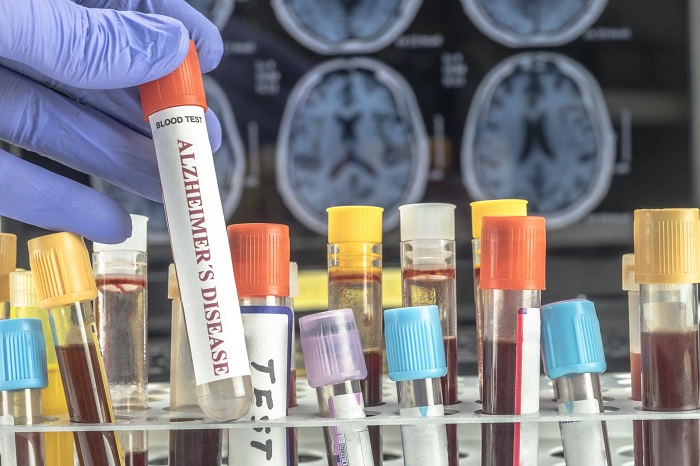
Recent breakthroughs in blood-based biomarkers have radically altered this landscape. Assays measuring plasma phosphorylated tau (p-tau217 and p-tau181) and ratios of amyloid-beta peptides can now identify the hallmark proteopathic plaques and neurofibrillary tangles of Alzheimer’s disease up to two decades before overt clinical dementia sets in. Similarly, tracking neurofilament light chain (NfL) provides an objective gauge of ongoing axonal destruction across multiple neurodegenerative disorders.
These blood tests eliminate the need for expensive, specialized positron emission tomography (PET) scans or invasive lumbar punctures for cerebrospinal fluid extraction. More importantly, they establish an objective baseline for clinical trials, enabling researchers to test emerging disease-modifying therapies on patients whose cognitive networks are still intact.

Fueling the Era of Personalized Medicine

Beyond simply confirming whether a pathology exists, modern biomarkers provide granular detail about the specific biological subtype of a disease. Two individuals presenting with anatomically identical lung tumors may have completely different underlying molecular drivers.
Predictive biomarkers determine whether a patient is likely to benefit from a specific therapeutic agent. Testing for human epidermal growth factor receptor 2 (HER2) in breast cancer, epidermal growth factor receptor (EGFR) mutations in non-small cell lung cancer, or programmed death-ligand 1 (PD-L1) expression across multiple solid tumors allows oncologists to bypass broad-spectrum cytotoxic chemotherapy in favor of targeted kinase inhibitors or immune checkpoint inhibitors.
This level of precision prevents patients from enduring the toxic side effects of treatments destined to fail, reduces healthcare costs associated with ineffective therapies, and aligns clinical decisions with the exact genetic vulnerabilities of the patient’s condition.

Addressing the Technical Challenges: Accuracy, Noise, and Overdiagnosis

Despite their transformative potential, integrating biomarkers into routine population screening requires careful calibration. The primary clinical hurdle centers on balancing sensitivity (the ability to correctly identify individuals who have the disease) with specificity (the ability to correctly identify those who do not).
A screening test that generates false-positive results can trigger widespread psychological distress, costly follow-up imaging, and unnecessary invasive procedures like needle biopsies. Conversely, false-negative results offer a dangerous sense of false security. Many individual biomarkers fluctuate in response to transient, non-threatening biological events; for instance, systemic inflammation or a minor viral infection can temporarily elevate markers typically associated with chronic disease.
There is also the genuine concern of overdiagnosis—detecting indolent, slow-growing micro-abnormalities that would never have produced symptoms or shortened an individual’s natural lifespan. To overcome these limitations, diagnostic medicine is moving toward multi-omic profiling. Rather than relying on a single isolated protein or mutation, modern platforms integrate genomics, proteomics, and metabolomics with artificial intelligence algorithms. By synthesizing multiple biological layers at once, these systems filter out background biological noise and deliver highly accurate risk assessments.
The transition toward biomarker-driven medicine represents a permanent turning point in clinical diagnostics. By transforming faint molecular disturbances into clear, actionable clinical directives, biomarkers strip away the uncertainty that has historically accompanied early-stage disease. As testing methods grow more sensitive, affordable, and accessible, medicine moves closer to a future where major illnesses are identified and neutralized before they ever have the chance to disrupt human life.
read more
Disease

How Celiac Disease Affects Nutrient Absorption and Digestive Health

Popular culture frequently conflates celiac disease with lifestyle dietary choices, mild food allergies, or general digestive sensitivities. In clinical reality, celiac disease is a severe, systemic autoimmune condition. For individuals with the genetic predisposition, consuming even microscopic amounts of gluten—a protein composite found in wheat, barley, rye, and their derivatives—sets off an aggressive internal response. Rather than a simple allergic reaction that manifests as hives or immediate gastrointestinal distress, celiac disease launches a targeted immunological assault against the individual’s own tissues, specifically the mucosal lining of the small intestine.
The small intestine is the human body’s primary engine of nutrient assimilation. When its delicate architecture is compromised, the physiological consequences ripple far beyond stomach aches and bloating. Understanding how celiac disease disrupts digestive function requires looking beneath the surface at the micro-structures responsible for absorbing life-sustaining vitamins, minerals, and calories.

The Anatomy of Damage: Villous Atrophy in the Small Intestine

The interior of a healthy small intestine is not a smooth tube. It is lined with thousands of microscopic, finger-like projections called villi, which are further carpeted by even smaller hair-like extensions known as microvilli. Together, they form what gastroenterologists refer to as the brush border.
This anatomical design serves an essential biological purpose: it dramatically expands the absorptive surface area of the intestinal tract, transforming a twenty-foot muscular canal into an expansive landscape roughly the size of a tennis court. Every millisecond of digestion relies on this vast surface area to interface with food, extract nutrients through specialized enterocyte cells, and transport them directly into the bloodstream and lymphatic vessels.
When someone with celiac disease ingests gluten, the immune system misinterprets partially digested gluten fragments (specifically peptides like gliadin) as dangerous foreign invaders. White blood cells infiltrate the intestinal mucosa and release pro-inflammatory cytokines, which inadvertently attack healthy tissue.
Over time, this continuous inflammatory state results in villous atrophy—the flattening, erosion, and eventual blunting of the villi. As these vital structures wear down, the interior of the intestine becomes smooth and scarred. The massive surface area needed for nutrient transfer collapses to a fraction of its normal capacity, crippling the digestive tract’s ability to absorb food regardless of how nutrient-rich an individual’s diet might be.

The Cascading Crisis of Malabsorption

The most immediate and pervasive consequence of villous blunting is generalized malabsorption. Nutrients pass through the digestive tract largely unprocessed and unabsorbed, exiting the body without ever reaching the cells and organs that depend on them.
Because different sections of the small intestine specialize in absorbing distinct nutrients, the location and severity of mucosal damage dictate the specific deficiencies a person develops.

Micronutrient Depletion and Clinical Fallout

The upper sections of the small intestine, primarily the duodenum and upper jejunum, bear the initial brunt of gluten exposure. These regions are responsible for absorbing critical minerals like iron, folate, and calcium.
When these areas erode, the body struggles to maintain basic physiological baselines:
  • Iron Deficiency Anemia: Iron absorption drops precipitously, leading to a chronic, treatment-resistant anemia that causes severe fatigue, pale skin, shortness of breath, and brain fog. Many adults discover they have celiac disease only after traditional oral iron supplements repeatedly fail to raise their ferritin levels.
  • Calcium and Vitamin D Deficits: The body cannot absorb dietary calcium without intact intestinal pathways and active vitamin D. When absorption fails, the body draws calcium out of the skeletal system to maintain blood levels, accelerating bone mineral density loss and predisposing individuals to early-onset osteopenia and severe osteoporosis.
  • Folate and Vitamin B12 Depletion: Damage extending further into the jejunum and ileum compromises the assimilation of B-complex vitamins, which can result in macrocytic anemia, elevated homocysteine levels, peripheral neuropathy, and mood disturbances.

Disrupted Fat Absorption and Secondary Intolerances

The damage does not stop at micronutrients. The breakdown and uptake of dietary fats are severely compromised when villous architecture is lost. Unabsorbed fatty acids travel into the large intestine, leading to steatorrhea—pale, foul-smelling, floating stools that signal severe malabsorption and rapid, involuntary weight loss.
Because fat-soluble vitamins (vitamins A, D, E, and K) require efficient lipid absorption to enter circulation, their levels drop alongside dietary fats. This leads to impaired night vision, poor wound healing, cellular oxidative damage, and compromised blood clotting mechanisms.
Furthermore, enterocytes located at the very tips of healthy villi produce lactase, the digestive enzyme responsible for breaking down the milk sugar lactose. When villous blunting shears off these cell tips, the body completely loses its ability to produce lactase. This induces a secondary lactose intolerance, causing severe gas, cramps, and diarrhea whenever dairy is consumed, even though the underlying problem is gluten-mediated epithelial damage rather than a congenital dairy allergy.

Beyond the Gut: Systemic Repercussions of Barrier Breakdown

The intestinal lining serves a dual purpose: it acts as a selective sponge for nutrients while functioning as a tight physical barrier against toxins, undigested macromolecules, and systemic pathogens.
In active celiac disease, the chronic inflammation damages the tight junctions that seal intestinal cells together, significantly increasing intestinal permeability. When this barrier weakens, immunogenic molecules and environmental antigens leak across the epithelial layer and encounter the systemic bloodstream.
This systemic spillover triggers widespread autoimmune and inflammatory reactions throughout the body:
  • Cutaneous Symptoms: Many patients develop dermatitis herpetiformis, an excruciatingly itchy, blistering skin condition that appears symmetrically on elbows, knees, buttocks, and scalp when circulating antibodies deposit in the dermal tissue.
  • Neurological Impairments: Gluten sensitivity in celiac patients can affect the central nervous system, manifesting as gluten ataxia (loss of motor coordination), chronic migraines, and widespread peripheral neuropathies characterized by tingling or numbness in the hands and feet.
  • Joint and Muscular Inflammation: The circulation of immune complexes frequently produces chronic joint pain and persistent muscular stiffness, often misattributed to fibromyalgia or general arthritis.

The Mucosal Rebuilding Process

The treatment for celiac disease requires an absolute, lifelong commitment to a strict gluten-free diet. There are currently no pharmaceutical remedies that allow someone with celiac disease to consume gluten safely. Even trace contamination—such as crumbs from a shared toaster or shared cooking utensils—is sufficient to reignite the inflammatory cascade and perpetuate mucosal damage.
Eliminating gluten completely halts the autoimmune attack. Without the offending protein triggering immune cells, the mucosal lining begins a methodical process of cellular regeneration. Intestinal stem cells located in the crypts between villi generate fresh, healthy enterocytes that migrate upward, slowly rebuilding the villi and restoring the brush border’s expansive surface area.
Recovery is a gradual process that demands patience and deliberate medical management:
  • Clinical symptoms like diarrhea, acute abdominal pain, and extreme bloating often begin to improve within days or weeks of removing gluten.
  • Complete histological recovery—the full microscopic regrowth and normalization of intestinal villi—typically takes anywhere from several months to a couple of years, particularly in adults who lived with undiagnosed disease for a long time.
  • During the early phases of healing, patients often require targeted nutritional supplementation, occasionally via intramuscular injections or intravenous infusions, to bypass the damaged gut and restore depleted iron, vitamin D, and B12 stores while mucosal architecture recovers.
Celiac disease is ultimately a disease of systemic starvation driven by localized autoimmune destruction. By damaging the delicate landscape of the small intestine, it starves the body of the basic biological building blocks required for cellular health, energy production, and skeletal strength. Understanding the physiological reality of villous atrophy emphasizes why a gluten-free diet is far more than a passing wellness trend for individuals with celiac disease; it is the medical therapy that allows the digestive system to rebuild, absorb nutrients, and restore total-body health.
read more
Treatment

How Doctors and Patients Work Together

Healthcare works best when it is a partnership, not a one-way conversation. Modern medicine has moved beyond the idea of doctors simply giving instructions and patients silently following them. Today, effective care depends on collaboration, communication, and mutual trust between doctors and patients.

When both sides actively participate, health outcomes improve, misunderstandings decrease, and treatment becomes more personalized and effective.

The Foundation of the Doctor–Patient Relationship

At the heart of good healthcare is a strong relationship built on respect and understanding. Doctors bring medical knowledge and clinical experience, while patients bring personal insight into their symptoms, lifestyle, and concerns.

This partnership works because:

  • Doctors understand diseases, diagnostics, and treatments

  • Patients understand their own bodies, daily habits, and priorities

  • Together, they create care plans that are realistic and effective

A successful relationship ensures that medical decisions are not just clinically sound, but also aligned with the patient’s values.

The Role of Communication in Healthcare

Clear communication is the backbone of collaboration. When doctors and patients communicate openly, fewer mistakes happen and treatment plans are easier to follow.

How Doctors Communicate Effectively

Doctors support collaboration by:

  • Explaining diagnoses in simple, clear language

  • Discussing treatment options instead of giving one-sided instructions

  • Encouraging questions and checking for understanding

  • Listening carefully without rushing appointments

How Patients Contribute to Communication

Patients play an equally important role by:

  • Describing symptoms honestly and accurately

  • Sharing concerns, fears, or doubts about treatment

  • Asking for clarification when something is unclear

  • Speaking up about side effects or changes in condition

Open dialogue turns appointments into meaningful conversations rather than quick exchanges.

Shared Decision-Making: A Team Approach

Shared decision-making means doctors and patients decide together. Instead of choosing a treatment alone, doctors present options and explain risks and benefits, while patients share preferences and lifestyle factors.

This approach helps:

  • Increase patient confidence in treatment plans

  • Improve adherence to medications and follow-ups

  • Reduce anxiety by giving patients a sense of control

For example, when managing a chronic condition, a patient’s daily routine, work schedule, or personal goals may influence which treatment option works best.

Trust and Respect in Medical Care

Trust develops over time through consistent, respectful interactions. Patients need to feel safe sharing sensitive information, and doctors need accurate details to provide the best care.

Trust is strengthened when:

  • Doctors respect patient opinions and cultural backgrounds

  • Patients follow agreed treatment plans and attend follow-ups

  • Both sides are honest about expectations and limitations

Mutual respect transforms healthcare into a supportive partnership rather than a transactional service.

Technology’s Role in Strengthening Collaboration

Modern healthcare technology has made collaboration easier and more continuous.

Helpful tools include:

  • Patient portals for test results and messaging

  • Telemedicine for virtual consultations

  • Health tracking apps for monitoring symptoms and progress

These tools allow patients to stay engaged in their care and help doctors make more informed decisions between visits.

Why Collaboration Improves Health Outcomes

When doctors and patients work together, care becomes more accurate, efficient, and humane.

Collaborative healthcare leads to:

  • Better diagnosis accuracy

  • Higher treatment success rates

  • Fewer misunderstandings and medical errors

  • Greater patient satisfaction and confidence

Patients who feel heard are more likely to follow treatment plans and take an active role in maintaining their health.

Frequently Asked Questions (FAQ)

1. Why is collaboration between doctors and patients important?

Collaboration ensures that medical decisions consider both clinical expertise and the patient’s personal needs, leading to better outcomes.

2. What should patients do if they disagree with a doctor’s recommendation?

Patients should openly discuss their concerns and ask about alternative options rather than silently avoiding treatment.

3. How can shy or anxious patients communicate better with doctors?

Preparing questions in advance and bringing a trusted companion can make conversations easier and more productive.

4. Does shared decision-making slow down treatment?

No, it often saves time in the long run by preventing misunderstandings and improving treatment adherence.

5. How does trust affect medical treatment?

Trust encourages honesty, improves communication, and helps doctors make accurate diagnoses and recommendations.

6. Can technology replace face-to-face doctor–patient interaction?

Technology supports collaboration, but it works best when combined with personal, human interaction.

7. How can doctors encourage more patient involvement?

By asking open-ended questions, actively listening, and respecting patient preferences during care planning.

read more
Therapy

Therapy: A Practical Guide to Healing, Growth, and Mental Well-Being

Therapy is a structured, professional space designed to help people understand themselves better, work through emotional challenges, and build healthier ways of thinking and living. It’s not only for moments of crisis—many people use therapy as a proactive tool for personal growth, stress management, and self-awareness.

At its core, therapy is about support, insight, and change, guided by trained professionals who use evidence-based approaches.

What Is Therapy?

Therapy, often called psychotherapy or counseling, is a collaborative process between a trained therapist and an individual, couple, family, or group. Through guided conversations and techniques, therapy helps people:

  • Understand emotions and behaviors

  • Navigate difficult life experiences

  • Improve relationships

  • Develop coping and problem-solving skills

Therapy is confidential, goal-oriented, and tailored to each person’s unique needs.

Common Types of Therapy

Different challenges call for different approaches. Below are some widely used therapy types, each with a distinct focus.

Cognitive Behavioral Therapy (CBT)

CBT focuses on identifying and changing unhelpful thought patterns that influence emotions and behaviors. It is practical, structured, and often short-term.

Commonly used for:

  • Anxiety disorders

  • Depression

  • Phobias

  • Stress-related issues

Psychodynamic Therapy

This approach explores how past experiences and unconscious patterns shape present behavior. It emphasizes self-reflection and emotional insight.

Helpful for:

  • Long-standing emotional difficulties

  • Relationship patterns

  • Self-esteem issues

Humanistic Therapy

Humanistic therapy centers on personal growth, self-acceptance, and authenticity. The therapist provides empathy and unconditional positive regard.

Often used for:

  • Personal development

  • Identity exploration

  • Life transitions

Family and Couples Therapy

This form of therapy focuses on relationship dynamics rather than individual symptoms.

Addresses:

  • Communication problems

  • Conflict resolution

  • Parenting challenges

  • Trust and intimacy issues

Online Therapy

Digital platforms now make therapy accessible through video, phone, or text-based sessions.

Key advantages:

  • Convenience and flexibility

  • Access for remote areas

  • Reduced stigma for some individuals

What Happens in a Therapy Session?

A typical therapy session lasts 45–60 minutes. Early sessions focus on understanding your concerns and setting goals. Over time, sessions may involve:

  • Open conversations about thoughts and feelings

  • Learning coping strategies

  • Practicing new behaviors

  • Reflecting on progress and setbacks

There’s no “right” way to do therapy—honesty and consistency matter more than saying the perfect thing.

Benefits of Therapy

Therapy can lead to meaningful, long-term improvements in mental and emotional health.

Key benefits include:

  • Better emotional regulation

  • Improved self-awareness

  • Healthier relationships

  • Reduced anxiety and stress

  • Increased confidence and resilience

Many people report that therapy helps them feel more grounded, understood, and capable of handling life’s challenges.

When Should You Consider Therapy?

You don’t need to wait until things feel overwhelming. Therapy may be helpful if you:

  • Feel stuck or emotionally drained

  • Experience ongoing stress or anxiety

  • Struggle with relationships

  • Are coping with loss, trauma, or change

  • Want to understand yourself better

Seeking therapy is a sign of self-respect, not weakness.

How to Choose the Right Therapist

Finding the right therapist is an important step.

Consider the following factors:

  • Their specialization and training

  • Therapy approach or style

  • Comfort and trust during sessions

  • Availability and cost

It’s okay to try more than one therapist before finding the right fit.

Is Therapy Effective?

Research consistently shows that therapy is effective for a wide range of mental health concerns. Success depends on factors such as:

  • Therapist-client relationship

  • Consistency of sessions

  • Willingness to engage in the process

Even small insights gained in therapy can create lasting positive change.

FAQ: Common Questions About Therapy

1. Do I need a diagnosed mental illness to go to therapy?

No. Therapy is beneficial for personal growth, stress management, and life challenges, even without a diagnosis.

2. How long does therapy usually last?

It varies. Some people attend for a few months, while others choose longer-term therapy depending on goals and needs.

3. Is therapy confidential?

Yes. Therapists are ethically and legally required to protect client confidentiality, with limited safety-related exceptions.

4. Can therapy help with physical health issues?

Therapy can support coping with chronic illness, pain management, and stress that affects physical health.

5. What if I don’t know what to talk about?

That’s completely normal. Therapists are trained to guide conversations and help uncover important topics.

6. Is online therapy as effective as in-person therapy?

For many people and conditions, online therapy is equally effective, especially when sessions are consistent.

7. What should I do if therapy doesn’t feel helpful?

Discuss concerns with your therapist or consider trying a different approach or professional. Therapy should feel supportive, not forced.

read more