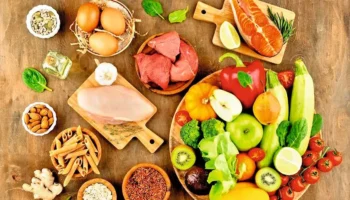

Walk into any health food store or browse wellness media, and you will quickly be told that a healthy gut requires imported berry powders, artisan kombuchas, and fifty-dollar bottles of designer probiotics. The modern wellness industry routinely packages digestive health as an exclusive, high-cost pursuit reserved for specialty grocers. In reality, your gastrointestinal microbiome does not require boutique grocery items to thrive. The vast colonies of bacteria residing in the human colon are not looking for expensive branding; they run on biochemical substrates that have been kitchen staples for generations.
Building a resilient digestive system comes down to understanding how commensal bacteria interact with standard dietary fibers, resistant starches, and naturally occurring plant compounds. When you demystify what gut microbes actually need to survive and reproduce, you can construct an effective, digestion-supporting meal plan using standard ingredients from any local supermarket aisle.
Understanding What the Microbiome Actually Feeds On
The human digestive system lacks the specialized enzymes required to break down many complex plant carbohydrates. When you consume dietary fiber, it travels through the stomach and small intestine largely intact until it reaches the large intestine. There, trillions of bacteria, fungi, and other microbes ferment these undigested carbohydrate matrices.
This fermentation process is not an accidental biological quirk; it is the cornerstone of metabolic, digestive, and immune health. As beneficial microbes consume fermentable fibers, they produce short-chain fatty acids (SCFAs)—principally acetate, propionate, and butyrate. Butyrate serves as the primary fuel source for colonocytes, the epithelial cells that form the structural lining of the gut wall. These fatty acids strengthen intestinal barrier integrity, lower luminal pH to suppress opportunistic pathogens, and communicate with systemic immune cells. To nourish these organisms, your meal plan must supply them with steady, varied sources of microbial fuel.
Core Nutritional Pillars Found in Standard Grocery Aisles
You do not need to hunt down obscure ingredients to construct a gut-supporting menu. An effective pantry relies on four everyday categories of whole foods that work together to nourish and diversify the microbiome.
Prebiotic Fibers
Prebiotics are non-digestible food components that selectively stimulate the growth and metabolic activity of beneficial microorganisms. Standard grocery staples are naturally packed with these compounds. Onions, garlic, leeks, and shallots are rich in inulin and fructooligosaccharides, which feed protective bifidobacteria and lactobacilli strains. Bananas, particularly when eaten slightly underripe, provide inulin alongside gentle soluble fiber.
Whole rolled oats and pearled barley deliver beta-glucan, a viscous soluble fiber that forms a gel-like substance in the digestive tract, modulating transit time and providing an easily fermentable substrate for the lower gut. Legumes like canned black beans, brown lentils, and chickpeas supply galactooligosaccharides, which cultivate bacterial species associated with reduced inflammation and improved metabolic regulation.
Resistant Starches
Resistant starch functions biologically much like soluble fiber. It resists enzymatic breakdown in the upper digestive tract and ferments slowly across the length of the colon, generating significant amounts of butyrate without prompting sharp blood sugar spikes.
One of the simplest ways to introduce resistant starch into an everyday meal plan involves retrogradation: cooking starchy foods and letting them cool. When standard russet potatoes, sweet potatoes, or white and brown rice are cooked and subsequently chilled in the refrigerator, their amylose molecules recrystallize into retrograded resistant starch. Even when you gently reheat these foods later, a substantial portion of this crystalline structure remains intact, delivering potent fuel to your lower digestive tract with zero specialty shopping required.
Cultured and Naturally Fermented Foods
Introducing beneficial live microbes does not require expensive encapsulated supplements. Traditional fermented items deliver diverse arrays of active bacteria alongside supportive organic acids.
Look for plain, unflavored whole-milk or low-fat Greek yogurt or kefir in the conventional dairy case, checking the packaging to confirm the presence of live and active cultures. In the refrigerated deli section, seek out raw, unpasteurized sauerkraut or naturally brined pickles that do not list vinegar on their ingredient panels. True lactic acid fermentation uses water, salt, and cabbage to generate dense populations of Lactobacillus plantarum and other hardy strains. Adding just two tablespoons of raw kraut or a half cup of kefir to your daily intake provides continuous, food-based microbial replenishment.
Dietary Polyphenols
Polyphenols are natural defense compounds that protect plants against ultraviolet radiation and environmental stressors. When consumed, roughly ninety percent of these compounds escape absorption in the small intestine and travel directly to the colon, where they interact bi-directionally with the microbiome. Bacteria break polyphenols down into bioactive metabolites, while the polyphenols themselves help inhibit pathogenic species and encourage the proliferation of beneficial taxa like Akkermansia muciniphila.
Rich, accessible sources include frozen blueberries, dark green leafy vegetables like spinach and kale, unsweetened cocoa powder, standard green tea bags, and extra virgin olive oil.
Constructing a Realistic Daily Meal Framework
A practical gut-friendly meal plan must fit smoothly into a busy work schedule without demanding hours of complex preparation.
Morning: Microbial Inoculation and Soluble Fiber
Anchor breakfast with an oat and cultured dairy base. Combine rolled oats with unsweetened kefir or Greek yogurt, a tablespoon of ground flaxseed, and half a cup of thawed frozen berries.
The beta-glucan from oats, the lignans from flaxseed, and the anthocyanins from the berries work synergistically with the live cultures from the yogurt. This combination starts your day with substantial plant diversity, gentle bulk, and stable energy without overburdening the digestive tract.
Midday: High-Density Prebiotic Plant Bowl
Build lunch around legumes, crisp vegetables, and healthy fats. Toss canned chickpeas (rinsed and drained) with shredded green cabbage, baby spinach, thinly sliced red onions, and canned wild tuna or hard-boiled eggs for protein. Dress simply with extra virgin olive oil and lemon juice.
The oligosaccharides from the chickpeas, raw inulin from the red onions, and glucosinolates from the cabbage provide a wide spectrum of fermentable substrates. This dense combination feeds distinct microbial families while providing sustained satiety that prevents afternoon energy crashes.
Evening: Resistant Starch and Gentle Restoration
Center dinner around a familiar protein source—such as roasted chicken thighs, baked salmon, or firm tofu—paired with pre-cooked, chilled, and gently reheated roasted potatoes. Fill the rest of the plate with roasted carrots, steamed zucchini, or sautéed green beans.
Add two tablespoons of chilled, raw fermented sauerkraut right to the side of the plate. This meal delivers resistant starch, insoluble cellulose for healthy motility, and live lactic acid bacteria in a familiar, comforting format that is easy to digest before sleep.
Mitigating Digestive Distress During the Transition
A frequent mistake people make when revamping their diet for gut health is increasing fiber too rapidly. If your baseline intake consists largely of refined grains and low-fiber convenience foods, suddenly jumping to thirty-five or forty grams of daily fiber will overwhelm unadapted bacterial populations, producing excessive gas, cramping, and uncomfortable bloating.
To ensure a smooth, comfortable digestive transition:
-
Increase fiber gradually: Add one new high-fiber ingredient every three to four days rather than overhauling every meal simultaneously.
-
Prioritize hydration: Soluble fibers require water to form lubricating gels in the intestinal tract; without adequate fluid intake, increased fiber can exacerbate constipation rather than relieve it.
-
Cook tough vegetables: If large raw salads cause abdominal distress, steam, roast, or stew your produce. Heat softens cellulose walls and reduces mechanical strain on the gut while keeping the underlying fiber intact for microbial fermentation.
-
Rinse canned legumes thoroughly: Washing canned beans and lentils under cold water removes excess surface oligosaccharides that dissolve into the canning liquid, significantly reducing acute gas production.
Supporting your microbiome is fundamentally an exercise in everyday consistency rather than culinary perfection or expensive supplementation. By stocking your kitchen with affordable grains, humble legumes, alliums, and naturally cultured staples, you cultivate an internal ecosystem that protects your intestinal barrier, supports immune function, and maintains reliable digestive comfort over the long term.