
close

Lincoln Dylan

Treatment

How Doctors and Patients Work Together

Healthcare works best when it is a partnership, not a one-way conversation. Modern medicine has moved beyond the idea of doctors simply giving instructions and patients silently following them. Today, effective care depends on collaboration, communication, and mutual trust between doctors and patients.

When both sides actively participate, health outcomes improve, misunderstandings decrease, and treatment becomes more personalized and effective.

The Foundation of the Doctor–Patient Relationship

At the heart of good healthcare is a strong relationship built on respect and understanding. Doctors bring medical knowledge and clinical experience, while patients bring personal insight into their symptoms, lifestyle, and concerns.

This partnership works because:

  • Doctors understand diseases, diagnostics, and treatments

  • Patients understand their own bodies, daily habits, and priorities

  • Together, they create care plans that are realistic and effective

A successful relationship ensures that medical decisions are not just clinically sound, but also aligned with the patient’s values.

The Role of Communication in Healthcare

Clear communication is the backbone of collaboration. When doctors and patients communicate openly, fewer mistakes happen and treatment plans are easier to follow.

How Doctors Communicate Effectively

Doctors support collaboration by:

  • Explaining diagnoses in simple, clear language

  • Discussing treatment options instead of giving one-sided instructions

  • Encouraging questions and checking for understanding

  • Listening carefully without rushing appointments

How Patients Contribute to Communication

Patients play an equally important role by:

  • Describing symptoms honestly and accurately

  • Sharing concerns, fears, or doubts about treatment

  • Asking for clarification when something is unclear

  • Speaking up about side effects or changes in condition

Open dialogue turns appointments into meaningful conversations rather than quick exchanges.

Shared Decision-Making: A Team Approach

Shared decision-making means doctors and patients decide together. Instead of choosing a treatment alone, doctors present options and explain risks and benefits, while patients share preferences and lifestyle factors.

This approach helps:

  • Increase patient confidence in treatment plans

  • Improve adherence to medications and follow-ups

  • Reduce anxiety by giving patients a sense of control

For example, when managing a chronic condition, a patient’s daily routine, work schedule, or personal goals may influence which treatment option works best.

Trust and Respect in Medical Care

Trust develops over time through consistent, respectful interactions. Patients need to feel safe sharing sensitive information, and doctors need accurate details to provide the best care.

Trust is strengthened when:

  • Doctors respect patient opinions and cultural backgrounds

  • Patients follow agreed treatment plans and attend follow-ups

  • Both sides are honest about expectations and limitations

Mutual respect transforms healthcare into a supportive partnership rather than a transactional service.

Technology’s Role in Strengthening Collaboration

Modern healthcare technology has made collaboration easier and more continuous.

Helpful tools include:

  • Patient portals for test results and messaging

  • Telemedicine for virtual consultations

  • Health tracking apps for monitoring symptoms and progress

These tools allow patients to stay engaged in their care and help doctors make more informed decisions between visits.

Why Collaboration Improves Health Outcomes

When doctors and patients work together, care becomes more accurate, efficient, and humane.

Collaborative healthcare leads to:

  • Better diagnosis accuracy

  • Higher treatment success rates

  • Fewer misunderstandings and medical errors

  • Greater patient satisfaction and confidence

Patients who feel heard are more likely to follow treatment plans and take an active role in maintaining their health.

Frequently Asked Questions (FAQ)

1. Why is collaboration between doctors and patients important?

Collaboration ensures that medical decisions consider both clinical expertise and the patient’s personal needs, leading to better outcomes.

2. What should patients do if they disagree with a doctor’s recommendation?

Patients should openly discuss their concerns and ask about alternative options rather than silently avoiding treatment.

3. How can shy or anxious patients communicate better with doctors?

Preparing questions in advance and bringing a trusted companion can make conversations easier and more productive.

4. Does shared decision-making slow down treatment?

No, it often saves time in the long run by preventing misunderstandings and improving treatment adherence.

5. How does trust affect medical treatment?

Trust encourages honesty, improves communication, and helps doctors make accurate diagnoses and recommendations.

6. Can technology replace face-to-face doctor–patient interaction?

Technology supports collaboration, but it works best when combined with personal, human interaction.

7. How can doctors encourage more patient involvement?

By asking open-ended questions, actively listening, and respecting patient preferences during care planning.


read more
Therapy

Therapy: A Practical Guide to Healing, Growth, and Mental Well-Being

Therapy is a structured, professional space designed to help people understand themselves better, work through emotional challenges, and build healthier ways of thinking and living. It’s not only for moments of crisis—many people use therapy as a proactive tool for personal growth, stress management, and self-awareness.

At its core, therapy is about support, insight, and change, guided by trained professionals who use evidence-based approaches.

What Is Therapy?

Therapy, often called psychotherapy or counseling, is a collaborative process between a trained therapist and an individual, couple, family, or group. Through guided conversations and techniques, therapy helps people:

  • Understand emotions and behaviors

  • Navigate difficult life experiences

  • Improve relationships

  • Develop coping and problem-solving skills

Therapy is confidential, goal-oriented, and tailored to each person’s unique needs.

Common Types of Therapy

Different challenges call for different approaches. Below are some widely used therapy types, each with a distinct focus.

Cognitive Behavioral Therapy (CBT)

CBT focuses on identifying and changing unhelpful thought patterns that influence emotions and behaviors. It is practical, structured, and often short-term.

Commonly used for:

  • Anxiety disorders

  • Depression

  • Phobias

  • Stress-related issues

Psychodynamic Therapy

This approach explores how past experiences and unconscious patterns shape present behavior. It emphasizes self-reflection and emotional insight.

Helpful for:

  • Long-standing emotional difficulties

  • Relationship patterns

  • Self-esteem issues

Humanistic Therapy

Humanistic therapy centers on personal growth, self-acceptance, and authenticity. The therapist provides empathy and unconditional positive regard.

Often used for:

  • Personal development

  • Identity exploration

  • Life transitions

Family and Couples Therapy

This form of therapy focuses on relationship dynamics rather than individual symptoms.

Addresses:

  • Communication problems

  • Conflict resolution

  • Parenting challenges

  • Trust and intimacy issues

Online Therapy

Digital platforms now make therapy accessible through video, phone, or text-based sessions.

Key advantages:

  • Convenience and flexibility

  • Access for remote areas

  • Reduced stigma for some individuals

What Happens in a Therapy Session?

A typical therapy session lasts 45–60 minutes. Early sessions focus on understanding your concerns and setting goals. Over time, sessions may involve:

  • Open conversations about thoughts and feelings

  • Learning coping strategies

  • Practicing new behaviors

  • Reflecting on progress and setbacks

There’s no “right” way to do therapy—honesty and consistency matter more than saying the perfect thing.

Benefits of Therapy

Therapy can lead to meaningful, long-term improvements in mental and emotional health.

Key benefits include:

  • Better emotional regulation

  • Improved self-awareness

  • Healthier relationships

  • Reduced anxiety and stress

  • Increased confidence and resilience

Many people report that therapy helps them feel more grounded, understood, and capable of handling life’s challenges.

When Should You Consider Therapy?

You don’t need to wait until things feel overwhelming. Therapy may be helpful if you:

  • Feel stuck or emotionally drained

  • Experience ongoing stress or anxiety

  • Struggle with relationships

  • Are coping with loss, trauma, or change

  • Want to understand yourself better

Seeking therapy is a sign of self-respect, not weakness.

How to Choose the Right Therapist

Finding the right therapist is an important step.

Consider the following factors:

  • Their specialization and training

  • Therapy approach or style

  • Comfort and trust during sessions

  • Availability and cost

It’s okay to try more than one therapist before finding the right fit.

Is Therapy Effective?

Research consistently shows that therapy is effective for a wide range of mental health concerns. Success depends on factors such as:

  • Therapist-client relationship

  • Consistency of sessions

  • Willingness to engage in the process

Even small insights gained in therapy can create lasting positive change.

FAQ: Common Questions About Therapy

1. Do I need a diagnosed mental illness to go to therapy?

No. Therapy is beneficial for personal growth, stress management, and life challenges, even without a diagnosis.

2. How long does therapy usually last?

It varies. Some people attend for a few months, while others choose longer-term therapy depending on goals and needs.

3. Is therapy confidential?

Yes. Therapists are ethically and legally required to protect client confidentiality, with limited safety-related exceptions.

4. Can therapy help with physical health issues?

Therapy can support coping with chronic illness, pain management, and stress that affects physical health.

5. What if I don’t know what to talk about?

That’s completely normal. Therapists are trained to guide conversations and help uncover important topics.

6. Is online therapy as effective as in-person therapy?

For many people and conditions, online therapy is equally effective, especially when sessions are consistent.

7. What should I do if therapy doesn’t feel helpful?

Discuss concerns with your therapist or consider trying a different approach or professional. Therapy should feel supportive, not forced.

read more
Nutrition

Nutrition: The Foundation of a Healthy Life

Nutrition is more than just eating to satisfy hunger. It is the science of how food fuels the body, supports growth, repairs tissues, and protects against disease. A well-balanced diet directly influences energy levels, mental clarity, immunity, and long-term health outcomes. Understanding nutrition empowers people to make smarter food choices that fit their lifestyle rather than following short-term diet trends.

Understanding the Basics of Nutrition

Nutrition focuses on how nutrients in food interact with the body. These nutrients are divided into two main categories: macronutrients and micronutrients.

Macronutrients: The Body’s Primary Fuel

Macronutrients are required in larger amounts because they provide energy and structural support.

Carbohydrates

  • Main source of energy

  • Found in whole grains, fruits, vegetables, and legumes

  • Best choices are complex carbs like oats, brown rice, and quinoa

Proteins

  • Essential for muscle repair, hormones, and enzymes

  • Sources include lean meats, eggs, dairy, beans, lentils, and tofu

Fats

  • Support brain health and nutrient absorption

  • Healthy fats come from nuts, seeds, avocados, and olive oil

Micronutrients: Small but Mighty

Micronutrients are vitamins and minerals needed in smaller amounts but are critical for body functions.

  • Vitamins such as A, C, D, and B-complex support immunity, vision, and metabolism

  • Minerals like iron, calcium, magnesium, and zinc strengthen bones, blood, and nerves

The Role of Nutrition in Overall Health

Good nutrition plays a preventive role in many chronic conditions. A consistent intake of nutrient-dense foods helps the body function optimally.

Benefits of Proper Nutrition

  • Boosts immune system and reduces illness risk

  • Supports brain health and improves focus and mood

  • Maintains healthy weight without extreme dieting

  • Reduces risk of chronic diseases such as diabetes and heart disease

  • Enhances digestion and gut health

Building a Balanced Diet

A balanced diet does not mean strict rules or eliminating favorite foods. It means creating variety and balance over time.

Key Principles of Balanced Eating

  • Fill half your plate with vegetables and fruits

  • Choose whole grains over refined grains

  • Include a quality protein source at each meal

  • Limit highly processed foods and added sugars

  • Stay hydrated with water as the primary beverage

Portion Awareness Matters

Even healthy foods can contribute to imbalance if consumed excessively. Learning portion awareness helps maintain energy levels and prevents overeating without calorie obsession.

Nutrition and Lifestyle: A Long-Term Perspective

Nutrition works best when paired with healthy lifestyle habits. Sleep, stress management, and physical activity all influence how the body processes nutrients.

  • Regular movement improves nutrient absorption

  • Adequate sleep regulates hunger hormones

  • Managing stress reduces emotional eating patterns

Rather than seeking perfection, consistency is what leads to lasting results.

Common Nutrition Myths to Avoid

  • Myth: Carbs are bad for you
    Truth: The type and quantity matter more than elimination

  • Myth: Fat causes weight gain
    Truth: Healthy fats are essential and satisfying

  • Myth: Supplements can replace food
    Truth: Whole foods provide better nutrient synergy

FAQs About Nutrition

1. What is the most important nutrient for the body?

All nutrients play vital roles, but balance among carbohydrates, proteins, fats, vitamins, and minerals is more important than focusing on a single nutrient.

2. Is it necessary to count calories for good nutrition?

No. Focusing on food quality, portions, and hunger cues is often more sustainable than calorie counting.

3. Can a healthy diet be affordable?

Yes. Staples like beans, lentils, eggs, seasonal produce, and whole grains are nutrient-rich and budget-friendly.

4. How does nutrition affect mental health?

Proper nutrition supports neurotransmitter production, stabilizes blood sugar, and can improve mood and focus.

5. Are plant-based diets nutritionally complete?

They can be, if well planned. Attention should be given to protein, iron, vitamin B12, and omega-3 intake.

6. How often should meals be eaten?

There is no universal rule. The best pattern is one that maintains steady energy and fits individual lifestyle needs.

7. Do detox diets improve nutrition?

The body already has natural detox systems. Balanced nutrition supports these systems better than restrictive cleanses.

read more
Skin Care

Essential Skin Care Tips for All Ages

Healthy skin isn’t about chasing perfection or following every trend—it’s about consistent care, smart habits, and understanding how your skin changes over time. Whether you’re in your teens or well into adulthood, the fundamentals of good skincare remain surprisingly simple. The key is adapting those basics to your age, lifestyle, and skin’s evolving needs.

This guide breaks down essential skin care tips that work for everyone, no matter where you are in life.

Understand Your Skin Type First

Before buying products or building routines, it’s crucial to know your skin type, as this determines how your skin reacts to ingredients and treatments.

Common skin types include:

  • Normal – Balanced, not too oily or dry

  • Oily – Shiny, prone to clogged pores

  • Dry – Tight, flaky, or rough

  • Combination – Oily in some areas, dry in others

  • Sensitive – Easily irritated or reactive

Using products designed for your specific skin type helps prevent breakouts, dryness, and long-term damage.

Build a Simple Daily Skin Care Routine

A consistent routine matters more than an expensive one. At any age, your skin benefits from the same core steps.

Cleansing: Start and End Clean

Cleansing removes dirt, sweat, oil, and environmental pollutants that accumulate throughout the day.

Best practices:

  • Cleanse twice daily—morning and night

  • Use a gentle, non-stripping cleanser

  • Avoid hot water, which can weaken the skin barrier

Moisturizing: Hydration Is Non-Negotiable

Moisturizers help maintain your skin’s protective barrier and prevent water loss—even oily skin needs one.

Look for:

  • Lightweight gels or lotions for oily skin

  • Cream-based moisturizers for dry or mature skin

  • Ingredients like glycerin, ceramides, and hyaluronic acid

Sun Protection: The Most Important Step

Sun exposure is one of the leading causes of premature aging, dark spots, and skin damage.

Daily sunscreen habits:

  • Use broad-spectrum SPF 30 or higher

  • Apply every morning, even on cloudy days

  • Reapply if outdoors for extended periods

Age-Specific Skin Care Considerations

Your skin’s needs evolve, and your routine should evolve with it.

Teens and Early 20s

Hormonal changes can trigger oiliness and breakouts.

Focus on:

  • Gentle cleansing

  • Oil-free moisturizers

  • Avoiding harsh scrubs or over-exfoliation

30s and 40s

Skin may begin losing elasticity and moisture.

Helpful additions:

  • Antioxidant serums (like vitamin C)

  • Targeted eye care

  • Richer night moisturizers

50s and Beyond

Mature skin often becomes thinner and drier.

Prioritize:

  • Deep hydration

  • Products that support skin barrier repair

  • Extra sun protection for fragile skin

Exfoliate—But Don’t Overdo It

Exfoliation removes dead skin cells and boosts radiance, but too much can cause irritation.

Safe exfoliation tips:

  • Limit to 1–2 times per week

  • Choose chemical exfoliants for sensitive skin

  • Always moisturize afterward

Nourish Skin from the Inside Out

What you eat and drink affects your skin more than most people realize.

Support skin health by:

  • Drinking plenty of water

  • Eating foods rich in omega-3 fatty acids

  • Including fruits and vegetables packed with antioxidants

  • Limiting excessive sugar and processed foods

Lifestyle Habits That Protect Your Skin

Great skin isn’t just about products—it’s about daily choices.

Healthy habits include:

  • Getting adequate sleep

  • Managing stress levels

  • Avoiding smoking and excessive alcohol

  • Keeping makeup tools and pillowcases clean

Listen to Your Skin

Trends come and go, but your skin constantly gives feedback. Redness, dryness, or breakouts often signal that something isn’t working. Adjust routines slowly and give products time to show results.

Frequently Asked Questions

1. Can the same skincare routine work for all ages?

The basic steps remain the same, but product formulas and ingredients should change as skin needs evolve.

2. Is sunscreen necessary indoors?

Yes. UV rays can penetrate windows, so daily sunscreen use is still beneficial.

3. How long does it take to see results from skincare products?

Most products take 4–6 weeks of consistent use to show noticeable improvement.

4. Should oily skin skip moisturizer?

No. Skipping moisturizer can actually make oily skin produce more oil.

5. Are natural skincare products always better?

Not necessarily. Effectiveness depends on formulation and skin compatibility, not whether an ingredient is natural or synthetic.

6. How often should I change my skincare products?

Only when your skin changes or a product stops working—frequent switching can irritate skin.

7. Can lifestyle changes really improve skin health?

Absolutely. Sleep, hydration, diet, and stress management play a major role in skin appearance and resilience.

read more
Medical

How Lifestyle Choices Influence Overall Medical Wellness

Lifestyle choices play a foundational role in shaping medical wellness. Daily habits related to diet, physical activity, sleep, stress, and preventive care directly affect how the body functions, heals, and resists disease. While genetics matter, research consistently shows that long-term health outcomes are strongly influenced by everyday decisions.

Understanding Medical Wellness

Medical wellness goes beyond the absence of illness. It refers to the optimal functioning of physical, mental, and metabolic systems that allow individuals to live actively and independently.

Key components of medical wellness include:

  • Stable cardiovascular and metabolic health

  • Strong immune function

  • Balanced mental and emotional well-being

  • Reduced risk of chronic disease

  • Efficient recovery from illness or injury

Lifestyle behaviors influence each of these areas in measurable ways.

Nutrition and Its Medical Impact

Diet is one of the most powerful tools for maintaining medical wellness. The body relies on nutrients to regulate hormones, repair tissues, and support organ function.

Healthy dietary choices contribute to:

  • Stable blood sugar and cholesterol levels

  • Reduced inflammation

  • Improved gut and immune health

  • Lower risk of obesity, diabetes, and heart disease

In contrast, diets high in processed foods, sugar, and unhealthy fats are associated with metabolic disorders, cardiovascular disease, and weakened immunity.

Physical Activity and Disease Prevention

Regular physical activity supports nearly every system in the body. Even moderate movement has long-term medical benefits.

Benefits of consistent physical activity include:

  • Improved heart and lung function

  • Enhanced insulin sensitivity

  • Stronger muscles and bones

  • Better weight management

  • Reduced risk of hypertension and stroke

Sedentary behavior, on the other hand, is linked to chronic inflammation and increased disease risk, even in individuals who are otherwise healthy.

Sleep and Biological Regulation

Sleep is a critical but often overlooked aspect of medical wellness. During sleep, the body performs essential repair and regulatory functions.

Adequate sleep supports:

  • Hormonal balance

  • Immune system efficiency

  • Cognitive performance

  • Cardiovascular health

Chronic sleep deprivation has been associated with weakened immunity, metabolic dysfunction, mood disorders, and increased cardiovascular risk.

Stress Management and Mental Health

Stress is a natural physiological response, but chronic stress can disrupt nearly every bodily system.

Long-term unmanaged stress may lead to:

  • Elevated blood pressure

  • Increased blood sugar levels

  • Hormonal imbalance

  • Weakened immune response

  • Anxiety and depressive symptoms

Healthy coping strategies such as mindfulness, physical activity, social connection, and relaxation techniques play a key role in protecting both mental and physical health.

Avoiding Harmful Lifestyle Habits

Certain behaviors significantly undermine medical wellness and increase disease risk over time.

Habits that negatively affect health include:

  • Tobacco use

  • Excessive alcohol consumption

  • Substance misuse

  • Poor dietary patterns

  • Chronic physical inactivity

Reducing or eliminating these habits leads to measurable improvements in organ function and overall health outcomes.

Preventive Care and Health Awareness

Lifestyle choices also determine how proactively individuals engage with healthcare systems.

Preventive behaviors include:

  • Regular medical checkups

  • Health screenings and vaccinations

  • Early attention to symptoms

  • Adherence to medical advice

Preventive care allows early detection of health issues, often preventing minor concerns from progressing into serious medical conditions.

Long-Term Benefits of Healthy Lifestyle Choices

Adopting healthy habits produces cumulative benefits over time. Individuals who maintain balanced lifestyles tend to experience:

  • Greater longevity

  • Improved quality of life

  • Lower healthcare costs

  • Enhanced physical independence in older age

Small, consistent changes often have a greater impact than short-term, extreme efforts.

Frequently Asked Questions (FAQs)

How quickly do lifestyle changes affect medical wellness?

Some benefits, such as improved energy and sleep quality, may appear within weeks, while others like reduced disease risk develop over months or years.

Can healthy lifestyle choices reduce the need for medication?

In some cases, improved lifestyle habits may reduce medication dependence, but changes should always be made under medical supervision.

Is genetics more important than lifestyle for health?

Genetics influence risk, but lifestyle choices often determine whether genetic risks develop into active medical conditions.

How does hydration affect overall wellness?

Proper hydration supports digestion, circulation, temperature regulation, and kidney function, all of which are essential for medical wellness.

Are mental health habits as important as physical habits?

Yes, mental and emotional health directly affect immune function, cardiovascular health, and hormonal balance.

Can older adults still benefit from lifestyle changes?

Absolutely. Healthy lifestyle adjustments can improve mobility, cognitive function, and disease management at any age.

What is the most impactful lifestyle change for overall health?

Consistency matters most. Regular physical activity combined with balanced nutrition delivers the strongest overall health benefits.

read more
Disease

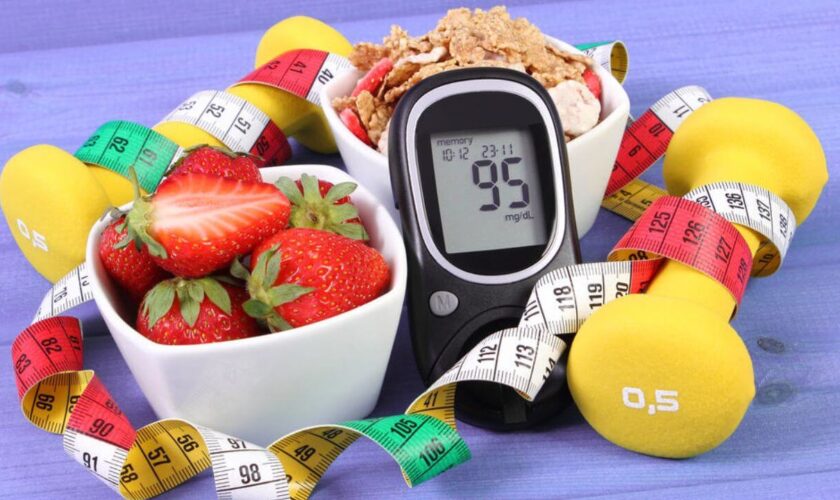
Managing Diabetes Through Diet and Exercise

Managing diabetes isn’t about perfection—it’s about consistent, realistic habits that support stable blood sugar levels over time. Two pillars make the biggest difference: what you eat and how you move. When diet and exercise work together, they can improve glucose control, boost energy, and reduce the risk of long-term complications.

Understanding the Role of Lifestyle in Diabetes

Diabetes affects how the body processes glucose. While medication can be essential, daily choices around food and physical activity often determine how steady blood sugar remains throughout the day.

A well-planned lifestyle approach can help:

  • Improve insulin sensitivity

  • Reduce blood sugar spikes and crashes

  • Support heart health and weight management

  • Increase overall quality of life

Diet Strategies for Better Blood Sugar Control

Focus on Balanced Meals

A balanced plate helps slow glucose absorption and keeps you full longer. Aim to include:

  • High-fiber carbohydrates (whole grains, legumes, vegetables)

  • Lean protein (fish, poultry, eggs, tofu, beans)

  • Healthy fats (olive oil, nuts, seeds, avocado)

This combination reduces rapid blood sugar rises after meals.

Choose Carbohydrates Wisely

Not all carbs behave the same way in the body.

Better choices include:

  • Whole grains like oats, quinoa, and brown rice

  • Non-starchy vegetables

  • Fruits with skin and pulp

Limit or avoid:

  • Sugary drinks and sweets

  • Refined grains like white bread and pastries

  • Highly processed snack foods

Timing and Portion Awareness

Eating at regular intervals helps prevent sharp fluctuations in blood sugar. Smaller, evenly spaced meals can be easier to manage than large portions eaten infrequently.

Helpful habits include:

  • Using smaller plates

  • Reading nutrition labels

  • Paying attention to hunger and fullness cues

Exercise as a Blood Sugar Regulator

Why Physical Activity Matters

Exercise helps muscles use glucose more efficiently, lowering blood sugar both during and after movement. Over time, it also improves insulin sensitivity.

Benefits go beyond glucose control:

  • Better cardiovascular health

  • Improved mood and sleep

  • Increased strength and mobility

Types of Exercise That Help Most

A mix of activities delivers the best results.

Aerobic exercise

  • Walking, cycling, swimming, dancing

  • Aim for moderate intensity most days of the week

Strength training

  • Resistance bands, weights, bodyweight exercises

  • Builds muscle that uses glucose more effectively

Flexibility and balance

  • Stretching, yoga, tai chi

  • Supports joint health and reduces injury risk

Staying Safe While Exercising

Before and after activity:

  • Monitor blood sugar if advised

  • Stay hydrated

  • Keep a fast-acting carbohydrate handy in case of low blood sugar

Start slow, especially if you’re new to exercise, and build consistency rather than intensity.

Making Diet and Exercise Work Together

The real power comes from combining smart nutrition with regular movement. Eating balanced meals fuels activity, while exercise improves how the body handles those nutrients.

Practical ways to connect the two:

  • Take a short walk after meals

  • Plan workouts around meal timing to avoid low energy

  • Refuel with protein and fiber after exercise

Building Sustainable Habits

Long-term success comes from routines you can maintain.

Try to:

  • Set small, achievable goals

  • Track patterns rather than obsessing over single readings

  • Allow flexibility for social events and busy days

Progress, not perfection, is what supports lasting diabetes management.

Frequently Asked Questions (FAQ)

1. Can diet and exercise alone manage diabetes?

For some people, lifestyle changes significantly improve blood sugar control, but others may still need medication. It depends on the type of diabetes, duration, and individual health factors.

2. Is it safe to exercise every day with diabetes?

Yes, daily activity is generally safe and beneficial when intensity is appropriate and blood sugar is monitored as needed.

3. Are low-carb diets always best for diabetes?

Not necessarily. Quality and balance matter more than extreme restriction. Many people do well with moderate, high-fiber carbohydrate intake.

4. How quickly can exercise lower blood sugar?

Blood sugar can drop during or shortly after physical activity, and the improved insulin sensitivity may last for hours.

5. Should meals be adjusted on workout days?

Some people benefit from slightly adjusting meal timing or portions around exercise to maintain energy and avoid low blood sugar.

6. Can strength training really help with blood sugar?

Yes. Increased muscle mass improves glucose uptake, making strength training a valuable part of diabetes management.

7. What’s the biggest mistake people make with diabetes lifestyle changes?

Trying to change everything at once. Small, consistent steps are far more effective than drastic short-term efforts.

read more
Health

Simple Nutrition Tips for Sustainable Health Goals

Eating well doesn’t have to feel complicated, restrictive, or exhausting. In fact, the most effective nutrition habits are often the simplest ones—habits you can stick with for years, not weeks. Sustainable health goals are built on consistency, balance, and a realistic approach to food that fits into everyday life.

Below are practical, science-backed nutrition tips that support long-term health without extreme rules or unnecessary stress.

Focus on Whole, Minimally Processed Foods

One of the easiest ways to improve your diet is by choosing foods that are closer to their natural state. Whole foods tend to be richer in nutrients and more satisfying.

Aim to include more of these:

  • Fresh fruits and vegetables

  • Whole grains like oats, brown rice, and quinoa

  • Lean proteins such as eggs, fish, beans, and lentils

  • Healthy fats from nuts, seeds, olive oil, and avocados

This doesn’t mean you must eliminate processed foods entirely. Instead, think of them as occasional additions, not daily staples.

Build Balanced Meals, Not Perfect Ones

You don’t need a calculator to eat well. A balanced plate naturally supports energy, digestion, and nutrient intake.

A simple meal structure includes:

  • Protein for muscle repair and fullness

  • Carbohydrates for energy and brain function

  • Healthy fats for hormone balance and nutrient absorption

  • Fiber-rich vegetables or fruits for digestion and gut health

When meals feel satisfying, cravings and overeating tend to decrease on their own.

Eat Slowly and Listen to Hunger Cues

Sustainable nutrition isn’t just about what you eat—it’s also about how you eat. Eating too quickly often leads to overeating before your body registers fullness.

Try these mindful eating habits:

  • Chew thoroughly and put utensils down between bites

  • Eat without constant distractions when possible

  • Stop when you feel comfortably full, not stuffed

Over time, this strengthens your ability to recognize genuine hunger and fullness signals.

Stay Hydrated Throughout the Day

Even mild dehydration can affect energy levels, concentration, and appetite. Many people mistake thirst for hunger, leading to unnecessary snacking.

Easy hydration tips:

  • Start your day with a glass of water

  • Carry a reusable water bottle

  • Add lemon, cucumber, or mint if plain water feels boring

Consistent hydration supports digestion, metabolism, and overall well-being.

Plan for Consistency, Not Restriction

Strict food rules often backfire. Instead of labeling foods as “good” or “bad,” focus on patterns over time.

Sustainable strategies include:

  • Enjoying treats without guilt

  • Following the 80/20 approach (mostly nutritious foods, some flexibility)

  • Planning meals you genuinely enjoy

When food feels flexible, healthy habits are far easier to maintain.

Prioritize Protein at Every Meal

Protein plays a key role in muscle health, blood sugar control, and satiety. Including it consistently can make meals more filling and reduce random snacking.

Good protein options include:

  • Eggs and dairy products

  • Fish, chicken, or lean meats

  • Tofu, tempeh, beans, and lentils

You don’t need excessive amounts—just steady inclusion across the day.

Make Small Changes That Add Up

Lasting health improvements rarely come from drastic overhauls. Small, manageable changes are more powerful than big promises.

Examples of sustainable upgrades:

  • Add one extra vegetable to lunch or dinner

  • Swap sugary drinks for water a few days a week

  • Cook one more meal at home each week

These small shifts compound into meaningful progress over time.

FAQs: Simple Nutrition for Long-Term Health

1. How long does it take to see results from healthier eating?

Some benefits like improved energy and digestion can appear within days, while weight or metabolic changes may take several weeks of consistency.

2. Is it okay to eat the same meals every day?

Yes. Eating similar meals can simplify planning and improve consistency, as long as overall nutrition is balanced across the week.

3. Do I need supplements for good nutrition?

Most people can meet their needs through food alone. Supplements may help in specific cases but should not replace a balanced diet.

4. How can I eat healthy on a busy schedule?

Simple meals, batch cooking, and keeping nutritious snacks on hand make healthy eating easier even on hectic days.

5. Are carbohydrates bad for sustainable health goals?

No. Carbohydrates are an important energy source. Choosing whole, fiber-rich carbs supports long-term health.

6. How do I avoid emotional or stress eating?

Awareness is key. Identifying triggers, practicing mindful eating, and finding non-food coping strategies can help reduce emotional eating.

7. What’s the most important nutrition habit to start with?

Consistency. Even small, repeated actions—like drinking more water or adding vegetables—create lasting health benefits.

read more
Medical

The Evolving Landscape of Modern Medical Practices

Introduction
The field of medical care has undergone extraordinary transformation over the past decades, propelled by scientific discovery, technological innovation, and a growing understanding of human health. Today, medicine is no longer confined to reactive treatment; it encompasses preventive care, precision medicine, telehealth, and patient-centered approaches. This article explores the key developments, challenges, and trends shaping the contemporary medical landscape while emphasizing evidence-backed practices and practical applications.

The Foundations of Modern Medicine
Modern medical practice rests on a combination of clinical knowledge, research, and technological integration. Historically, medicine focused on treating observable symptoms. Over time, advances in anatomy, microbiology, and pharmacology have allowed practitioners to identify root causes of diseases, enabling more targeted interventions. Evidence-based medicine, which emphasizes the integration of clinical expertise with the best available research, has become the standard in medical decision-making. This approach ensures that treatments are not just theoretically sound but demonstrably effective in real-world patient populations.

Medical Specializations and Their Significance
The complexity of human health has given rise to numerous medical specialties, each targeting specific systems, diseases, or patient populations. Some critical areas include:

  • Cardiology: Focused on heart health and circulatory disorders, cardiology has benefited enormously from innovations in imaging, minimally invasive surgery, and preventive strategies.
  • Oncology: Cancer treatment has shifted toward precision medicine, leveraging genomic information to tailor therapies for individual patients.
  • Neurology and Psychiatry: Understanding of the brain and nervous system has expanded, leading to improved interventions for conditions ranging from stroke to depression.
  • Endocrinology: Chronic diseases like diabetes and thyroid disorders demand specialized knowledge to manage metabolic and hormonal balance effectively.

Each specialty works not in isolation but as part of interdisciplinary care teams, ensuring holistic approaches that address physical, psychological, and social dimensions of health.

Preventive Medicine and Public Health
Preventive medicine aims to reduce disease incidence and improve population health. Vaccinations, screenings, lifestyle interventions, and public health campaigns are central to this strategy. The impact of preventive care is evident in the reduction of communicable diseases and improved life expectancy in developed countries. Medical research highlights that proactive measures, such as regular screenings for hypertension, diabetes, and certain cancers, significantly reduce long-term healthcare costs and improve quality of life.

Advances in Diagnostic Technology
Accurate and timely diagnosis is the cornerstone of effective medical care. Recent technological advancements have transformed diagnostic capabilities:

  • Medical Imaging: MRI, CT scans, and PET scans offer high-resolution insights into internal structures, aiding early detection of disease.
  • Genetic Testing: Genomic analysis enables personalized medicine, identifying predispositions to diseases and guiding treatment options.
  • Artificial Intelligence: AI algorithms assist radiologists and pathologists by detecting patterns invisible to the human eye, improving diagnostic speed and accuracy.
  • Point-of-Care Testing: Portable diagnostic devices allow clinicians to perform tests at the bedside, expediting treatment decisions.

These tools, combined with clinical expertise, enhance both patient outcomes and healthcare efficiency.

Telemedicine and Digital Health
The rise of telemedicine has revolutionized access to medical care. Patients can now consult specialists remotely, receive monitoring for chronic conditions, and manage medication schedules through digital platforms. Key benefits include:

  • Accessibility: Rural or underserved communities can access specialist care without travel.
  • Cost-Effectiveness: Virtual consultations reduce overhead costs for healthcare providers and patients.
  • Continuity of Care: Digital health records enable seamless sharing of patient history across multiple providers.

Despite its advantages, telemedicine also faces challenges such as data privacy concerns, technology literacy, and the need for standardized protocols to ensure quality care.

Pharmaceutical Innovations and Therapeutics
Pharmaceutical research continues to drive medical progress. Breakthroughs in targeted therapies, biologics, and regenerative medicine are reshaping treatment paradigms. Some notable trends include:

  • Personalized Medicine: Treatments are tailored based on genetic profiles, improving efficacy and minimizing adverse effects.
  • Immunotherapy: Techniques that harness the body’s immune system to combat diseases like cancer have shown remarkable success.
  • Regenerative Medicine: Stem cell research and tissue engineering offer potential solutions for conditions previously considered irreversible.

These innovations highlight the convergence of biotechnology, molecular biology, and clinical medicine in creating next-generation therapeutics.

Healthcare Policy and Ethical Considerations
Medical practice is intertwined with ethical and policy frameworks. Ethical principles—such as patient autonomy, beneficence, and nonmaleficence—guide clinicians in decision-making. Policies around healthcare access, insurance coverage, and drug regulation shape the landscape in which medicine operates. Evidence-based policy making ensures that medical interventions are not only clinically effective but also equitable and sustainable. For instance, the allocation of scarce resources, such as organ transplants or pandemic vaccines, requires careful ethical deliberation.

Challenges Facing Modern Medicine
Despite advancements, medical practice faces ongoing challenges:

  • Antibiotic Resistance: The overuse of antibiotics has led to resistant strains, threatening public health.
  • Chronic Disease Burden: Conditions like obesity, diabetes, and cardiovascular disease require long-term management strategies.
  • Healthcare Disparities: Socioeconomic, racial, and geographic factors result in unequal access to medical care.
  • Technological Integration: While promising, new technologies require training, standardization, and continuous evaluation.

Addressing these challenges requires collaborative efforts across research, clinical practice, and policy-making.

Future Directions in Medical Care
The future of medicine is increasingly patient-centered, technology-driven, and preventive. Emerging areas include:

  • Precision Medicine Expansion: Leveraging genomics, proteomics, and metabolomics to create individualized treatment plans.
  • AI-Enhanced Decision Making: Advanced algorithms will further improve diagnostic accuracy and predictive modeling for disease progression.
  • Wearable Health Technology: Continuous monitoring devices will enable early detection of anomalies and personalized wellness plans.
  • Global Health Initiatives: Collaborative international efforts aim to reduce disease burden, improve vaccination rates, and address environmental health concerns.

As these trends unfold, medical professionals must balance innovation with ethical responsibility, patient engagement, and evidence-based practice.

Practical Steps for Patients in Modern Medical Systems
Patients can actively participate in their healthcare through several practical measures:

  • Maintaining regular check-ups and adhering to screening guidelines.
  • Engaging in healthy lifestyle practices including nutrition, exercise, and stress management.
  • Understanding personal and family medical history to anticipate potential health risks.
  • Utilizing digital health tools responsibly to track symptoms, medications, and appointments.
  • Advocating for transparent communication with healthcare providers regarding treatment options and risks.

Active engagement not only improves individual outcomes but also supports the broader goals of preventive and personalized medicine.

FAQ Section

What is precision medicine and why is it important?
Precision medicine tailors healthcare to individual genetic, environmental, and lifestyle factors. It allows for more effective treatments, minimizes side effects, and is increasingly critical in managing complex diseases like cancer and autoimmune disorders.

How has telemedicine impacted patient care?
Telemedicine has expanded access, reduced costs, and improved continuity of care. Patients in remote areas can consult specialists, and chronic conditions can be monitored virtually, though it requires secure platforms and digital literacy.

Why are diagnostic technologies crucial in modern medicine?
Advanced diagnostics like imaging, genetic testing, and AI-assisted analysis enable early detection, accurate diagnosis, and personalized treatment strategies, which collectively improve patient outcomes and reduce healthcare burdens.

What role does preventive medicine play in public health?
Preventive medicine reduces disease incidence through vaccinations, screenings, and lifestyle interventions. It enhances longevity, lowers healthcare costs, and mitigates the risk of chronic illnesses.

What are some ethical considerations in medical practice?
Key ethical considerations include patient autonomy, informed consent, equitable access to care, and the responsible allocation of limited medical resources.

How is the medical field addressing chronic disease management?
Through patient education, digital monitoring, lifestyle interventions, and coordinated care teams, the medical field aims to manage chronic diseases proactively, improving quality of life and reducing complications.

Conclusion
The modern medical landscape is marked by rapid technological innovation, evidence-based practices, and a patient-centered ethos. By integrating preventive strategies, advanced diagnostics, personalized therapeutics, and ethical policies, medicine is evolving to meet the complex demands of contemporary society. Patients, clinicians, and policymakers must collaborate to ensure that these advancements translate into meaningful improvements in health outcomes, equity, and quality of care.

This in-depth exploration of medical advancements underscores how the field is not only a science but also an ever-adapting practice dedicated to preserving and enhancing human life.

read more
Therapy

Understanding Therapy: Evidence-Based Approaches for Mental Health and Wellbeing

Therapy is a cornerstone of mental health care, offering structured, evidence-based approaches to manage emotional, psychological, and behavioral challenges. The term “therapy” encompasses a wide range of interventions, from traditional talk therapy to innovative, integrative modalities that address both mental and physical wellbeing. Understanding the principles, types, and outcomes of therapy helps individuals make informed choices and maximize its benefits.

What Is Therapy?

Therapy is a professional intervention designed to help individuals understand, process, and manage their thoughts, emotions, and behaviors. It provides a safe and structured environment for self-exploration, problem-solving, and skill development. While therapy is commonly associated with treating mental illness, it is equally effective for personal growth, stress management, relationship improvement, and coping with life transitions.

Core Objectives of Therapy

  • Emotional Regulation: Teaching strategies to manage intense emotions effectively.
  • Behavioral Change: Encouraging the development of healthier habits and coping mechanisms.
  • Cognitive Restructuring: Identifying and challenging unhelpful thoughts and beliefs.
  • Self-Awareness: Increasing insight into one’s motivations, patterns, and triggers.
  • Relationship Enhancement: Improving communication, empathy, and social functioning.

Types of Therapy

Therapy can be categorized based on methodology, duration, and goals. Evidence-based approaches are the most widely studied and effective.

Cognitive Behavioral Therapy (CBT)

CBT is a structured, goal-oriented therapy focusing on the relationship between thoughts, emotions, and behaviors. It helps individuals identify negative thought patterns and replace them with healthier, more constructive ones.

  • Applications: Anxiety, depression, phobias, PTSD, OCD.
  • Key Techniques: Cognitive restructuring, behavioral activation, exposure therapy, and skills training.
  • Effectiveness: Numerous studies demonstrate CBT’s efficacy in reducing symptoms and improving functioning, often within 12–20 sessions.

Psychodynamic Therapy

Rooted in psychoanalytic principles, psychodynamic therapy explores unconscious processes, early childhood experiences, and internal conflicts. The goal is to increase insight and resolve deep-seated emotional issues.

  • Applications: Personality disorders, depression, interpersonal difficulties.
  • Techniques: Free association, exploration of defense mechanisms, interpretation of patterns in relationships.
  • Effectiveness: Particularly effective for chronic conditions and long-term emotional development.

Humanistic Therapy

Humanistic approaches, such as person-centered therapy, emphasize self-actualization, personal growth, and unconditional positive regard. Therapists focus on providing a supportive environment rather than directing the client.

  • Applications: Self-esteem issues, life transitions, existential concerns.
  • Techniques: Active listening, empathy, reflection, and facilitation of personal insight.
  • Effectiveness: Promotes self-acceptance and emotional resilience, especially in non-clinical populations.

Dialectical Behavior Therapy (DBT)

Originally developed for borderline personality disorder, DBT combines cognitive-behavioral strategies with mindfulness and acceptance techniques.

  • Applications: Emotional dysregulation, self-harm, suicidal ideation, PTSD.
  • Techniques: Mindfulness, distress tolerance, emotion regulation, and interpersonal effectiveness.
  • Effectiveness: Strong empirical support for reducing self-harm behaviors and improving emotional control.

Eye Movement Desensitization and Reprocessing (EMDR)

EMDR is a specialized therapy for processing trauma and reducing the emotional intensity of distressing memories. It incorporates bilateral stimulation, such as guided eye movements, to facilitate adaptive information processing.

  • Applications: PTSD, complex trauma, phobias.
  • Techniques: Structured phases including history-taking, desensitization, and integration.
  • Effectiveness: Research shows EMDR can significantly reduce trauma-related symptoms often faster than traditional talk therapy.

Integrative and Holistic Approaches

Some therapists combine modalities tailored to the individual’s needs, integrating cognitive, behavioral, mindfulness, and somatic interventions. Holistic approaches may also incorporate nutrition, exercise, and complementary practices such as yoga or meditation.

The Science Behind Therapy

Therapy works by leveraging the brain’s capacity for neuroplasticity, the ability to form new neural connections. Through repeated practice of new coping strategies, cognitive reframing, and behavioral exercises, therapy can:

  • Reduce hyperactive stress responses.
  • Strengthen executive function and emotional regulation.
  • Rewire maladaptive thought patterns.
  • Enhance resilience and adaptability in social contexts.

Evidence from Research

Meta-analyses indicate that psychotherapy is effective across a wide range of disorders. CBT consistently ranks as highly effective for anxiety and depression, while DBT demonstrates efficacy for emotion regulation disorders. Psychodynamic therapy shows long-term benefits in personality and relational functioning. EMDR has become a first-line treatment for PTSD. Therapy also shows preventive benefits, reducing the risk of relapse and improving overall quality of life.

Who Can Benefit from Therapy?

Therapy is not limited to individuals with clinical diagnoses. It can benefit:

  • Individuals experiencing stress or burnout.
  • Couples or families seeking improved communication.
  • People coping with grief, trauma, or major life transitions.
  • Those aiming for personal development and emotional resilience.
  • Adolescents navigating developmental challenges and identity formation.

Integrating Therapy with Lifestyle and Health

Therapy’s effectiveness is enhanced when combined with lifestyle interventions:

  • Exercise: Regular physical activity reduces anxiety and depressive symptoms.
  • Nutrition: Balanced diets with adequate omega-3s, vitamins, and minerals support brain health.
  • Sleep hygiene: Consistent sleep patterns enhance cognitive function and emotional stability.
  • Mindfulness and meditation: Promote present-moment awareness and stress reduction.

Overcoming Barriers to Therapy

Despite its proven benefits, therapy remains underutilized due to stigma, cost, or lack of access. Strategies to increase accessibility include:

  • Teletherapy: Online sessions reduce geographic and mobility barriers.
  • Sliding scale or insurance coverage: Financial accommodations expand access.
  • Psychoeducation: Increasing public awareness normalizes seeking support.
  • Culturally competent therapy: Tailoring interventions to cultural contexts improves engagement and outcomes.

Common Misconceptions About Therapy

  • Therapy is only for severe mental illness: Therapy is useful for everyday stress, growth, and life transitions.
  • Therapists provide advice or solutions: Effective therapy emphasizes guided self-discovery rather than directives.
  • Therapy takes years to show results: Many approaches, especially CBT and EMDR, show measurable improvements within weeks.
  • It is a sign of weakness: Seeking therapy reflects self-awareness and proactive mental health care.

Evidence-Based Daily Practices to Complement Therapy

  • Journaling: Facilitates emotional processing and pattern recognition.
  • Mindfulness exercises: Enhance present-moment awareness and reduce rumination.
  • Skill reinforcement: Practicing coping strategies learned in sessions strengthens behavioral change.
  • Social support: Maintaining connections with friends and family reinforces progress.

FAQ

Q1: How do I choose the right type of therapy?
Consider your goals, symptoms, and personal preferences. CBT is effective for structured symptom management, while psychodynamic therapy suits insight-oriented exploration. Consultation with a licensed professional can guide selection.

Q2: How long does therapy typically last?
Duration varies by approach and need. Short-term therapies like CBT may last 8–20 sessions, while psychodynamic or integrative therapies can continue for months or years.

Q3: Can therapy be effective without medication?
Yes. Many individuals benefit solely from therapy, though some conditions may require combined approaches for optimal outcomes.

Q4: Is it normal to feel worse before feeling better in therapy?
Yes. Confronting difficult emotions can temporarily increase distress, but this is part of the processing and growth process.

Q5: Can therapy prevent mental health relapses?
Evidence suggests that ongoing therapy or periodic booster sessions reduce relapse rates for depression, anxiety, and PTSD.

Q6: Are online therapy sessions as effective as in-person sessions?
Research indicates teletherapy can be equally effective for many modalities, especially CBT, DBT, and supportive counseling.

Q7: How do I know if therapy is working?
Progress can be measured through symptom reduction, improved functioning, emotional regulation, and achieving personal goals outlined with your therapist.

Therapy is a scientifically grounded, adaptable, and powerful tool for mental health and personal development. By understanding the various modalities, integrating evidence-based strategies, and aligning therapy with lifestyle practices, individuals can cultivate resilience, self-awareness, and meaningful improvement in their emotional and psychological wellbeing.

read more
Therapy

Comprehensive Guide to Treatment: Evidence-Based Approaches for Optimal Health

Treatment is a critical component of modern healthcare, encompassing strategies designed to manage, alleviate, and potentially cure physical and mental health conditions. Understanding the principles of treatment, the variety of modalities available, and their evidence-based applications enables patients and practitioners to make informed decisions that maximize outcomes. The term “treatment” covers interventions ranging from medical therapies and pharmacological regimens to psychological interventions and lifestyle-based approaches, all aimed at improving health and quality of life.

Defining Treatment in Healthcare

Treatment refers to the deliberate application of interventions aimed at addressing a medical or psychological condition. It involves both symptom management and root-cause resolution, depending on the nature and severity of the illness. Treatments can be preventive, curative, or palliative, each with specific objectives:

  • Preventive Treatment: Interventions designed to avert disease onset or progression, such as vaccines, lifestyle modifications, or prophylactic medications.
  • Curative Treatment: Direct interventions that aim to eliminate disease or restore normal function, such as antibiotics for bacterial infections or surgical procedures.
  • Palliative Treatment: Focused on alleviating symptoms and improving quality of life for chronic or terminal conditions without necessarily curing the underlying disease.

Categories of Treatment

Treatment modalities can be broadly classified into medical, surgical, psychological, and integrative approaches, each with distinct mechanisms and evidence bases.

Medical Treatment

Medical treatment primarily involves pharmacological or procedural interventions that modify disease progression or alleviate symptoms.

Pharmacological Therapy

Medications are central to modern medical treatment, targeting specific biochemical pathways or physiological processes.

  • Antimicrobials: Antibiotics, antivirals, and antifungals treat infections by eliminating pathogens or inhibiting their growth.
  • Anti-inflammatory Agents: Non-steroidal anti-inflammatory drugs (NSAIDs) and corticosteroids reduce inflammation and associated pain in conditions like arthritis.
  • Hormonal Therapies: Used to correct imbalances, such as insulin for diabetes or thyroid hormone replacement for hypothyroidism.
  • Targeted Therapies: Precision medicines in oncology or immunology act on specific cellular targets for enhanced effectiveness.

Evidence-Based Considerations

Clinical trials and meta-analyses provide rigorous evaluation of drug efficacy and safety. Personalized medicine approaches, including pharmacogenomics, optimize therapeutic responses while minimizing adverse effects.

Surgical Treatment

Surgical interventions involve physically altering tissue structures to correct disease or injury.

  • Elective Surgeries: Procedures planned to improve function or aesthetics, such as joint replacements or reconstructive surgery.
  • Emergency Surgeries: Urgent interventions for trauma, internal bleeding, or organ obstruction.
  • Minimally Invasive Techniques: Laparoscopy, robotic surgery, and endoscopic procedures reduce recovery times and complication rates.

Surgical outcomes depend on precision, patient health status, and post-operative care, highlighting the need for evidence-based surgical protocols.

Psychological and Behavioral Treatment

Psychological treatments address mental health conditions, cognitive patterns, and emotional regulation.

Cognitive Behavioral Therapy (CBT)

CBT helps patients identify and change maladaptive thoughts and behaviors. It is effective for depression, anxiety disorders, phobias, and obsessive-compulsive behaviors.

Psychodynamic Therapy

Explores unconscious processes, past experiences, and interpersonal patterns, promoting insight and emotional resolution for long-term mental health improvement.

Integrative Behavioral Approaches

Combining mindfulness, stress management, and psychoeducation enhances therapeutic outcomes for chronic stress, PTSD, and addiction.

Integrative and Lifestyle-Based Treatment

Lifestyle modifications complement medical and psychological interventions by addressing systemic factors contributing to disease.

  • Nutrition: Diets rich in antioxidants, healthy fats, and micronutrients support cellular health and recovery.
  • Exercise Therapy: Enhances cardiovascular health, muscle strength, and mental wellbeing.
  • Sleep Optimization: Adequate sleep promotes tissue repair, immune function, and cognitive performance.
  • Mind-Body Interventions: Yoga, meditation, and tai chi improve stress resilience, pain management, and emotional regulation.

Integrative approaches often employ a multi-modal framework, combining pharmacological, psychological, and lifestyle interventions for comprehensive care.

Factors Influencing Treatment Effectiveness

Successful treatment depends on individual, clinical, and systemic factors.

Patient-Specific Factors

  • Genetics and Metabolism: Influence drug efficacy and susceptibility to side effects.
  • Comorbidities: Coexisting conditions can alter treatment responses or contraindicate certain interventions.
  • Adherence and Engagement: Patient commitment to following prescribed regimens directly impacts outcomes.

Condition-Specific Factors

  • Severity and Stage: Early-stage interventions often yield better results.
  • Complexity: Multi-system involvement may require combination therapies.
  • Resistance or Tolerance: Microbial resistance or pharmacological tolerance may necessitate treatment adjustments.

Systemic Factors

  • Access to Care: Availability of medications, therapies, and specialists affects treatment success.
  • Healthcare Quality: Evidence-based protocols, practitioner expertise, and monitoring improve outcomes.
  • Socioeconomic Support: Social determinants such as education, income, and support networks influence adherence and recovery.

Advances in Treatment Modalities

Precision Medicine

Targeted therapies and pharmacogenomics enable individualized treatment plans that maximize efficacy while minimizing side effects. In oncology, genetic profiling of tumors allows for highly specific treatments.

Regenerative Medicine

Stem cell therapy, tissue engineering, and biologics aim to repair or replace damaged tissues, offering innovative solutions for conditions previously deemed untreatable.

Digital Therapeutics

App-based interventions, virtual monitoring, and telemedicine platforms enhance access, adherence, and real-time feedback, particularly in chronic disease management and behavioral health.

Minimally Invasive and Robotic Procedures

Advancements in surgical technology have improved accuracy, reduced recovery times, and minimized post-operative complications.

Challenges in Treatment

  • Adverse Effects: Even evidence-based interventions can carry risks that require monitoring and management.
  • Treatment Resistance: Conditions like antibiotic-resistant infections or multi-drug-resistant cancers necessitate adaptive strategies.
  • Patient Compliance: Complex regimens and lifestyle adjustments can reduce adherence, impacting outcomes.
  • Health Disparities: Socioeconomic and geographic disparities limit access to optimal treatment for some populations.

Evidence-Based Daily Practices to Support Treatment

  • Medication Management: Maintain schedules, monitor side effects, and communicate with healthcare providers.
  • Lifestyle Alignment: Integrate exercise, nutrition, and sleep hygiene to reinforce therapeutic goals.
  • Behavioral Strategies: Track progress, use cognitive techniques, and practice stress management to support psychological treatments.
  • Follow-Up and Monitoring: Regular check-ups and diagnostic evaluations ensure treatment efficacy and timely adjustments.

FAQ

Q1: How long does it take for treatments to show results?
The timeline varies by condition and modality. Pharmacological interventions may show effects within days to weeks, while psychological and lifestyle-based treatments can take several weeks to months for measurable improvements.

Q2: Can multiple treatments be combined safely?
Yes, but combination treatments should be guided by a healthcare professional to prevent interactions, optimize effectiveness, and minimize side effects.

Q3: Are lifestyle interventions as effective as medical treatments?
Lifestyle interventions are most effective as complementary strategies, enhancing the efficacy of medical and psychological treatments rather than replacing them entirely.

Q4: How is treatment personalized for individual patients?
Personalization considers genetics, comorbidities, lifestyle, preferences, and environmental factors. Precision medicine and integrative approaches allow tailored regimens.

Q5: Can treatment prevent disease recurrence?
Preventive and maintenance treatments, including medication adherence, lifestyle modifications, and psychological support, significantly reduce the risk of relapse or recurrence for chronic and acute conditions.

Q6: What role does patient engagement play in treatment success?
Active engagement, adherence to prescribed regimens, and open communication with healthcare providers are critical determinants of treatment efficacy.

Q7: Are new treatment modalities safe?
Emerging treatments undergo rigorous clinical trials and regulatory review. Safety profiles are monitored continuously, and potential risks are disclosed to patients before implementation.

Effective treatment is a dynamic, evidence-based process that requires collaboration between patients, healthcare providers, and support systems. By integrating medical, psychological, and lifestyle strategies, individuals can achieve improved health outcomes, enhanced quality of life, and long-term resilience against illness. Understanding treatment modalities, staying informed about advances, and actively engaging in care decisions empower patients to take control of their health journey.

read more
1 2 3 5
Page 1 of 5