
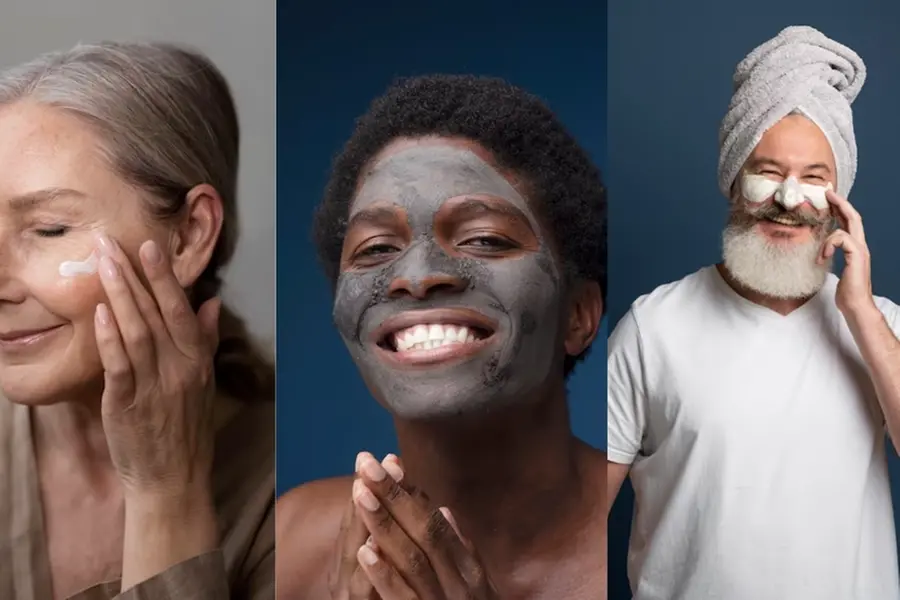
Healthy skin isn’t about chasing perfection or following every trend—it’s about consistent care, smart habits, and understanding how your skin changes over time. Whether you’re in your teens or well into adulthood, the fundamentals of good skincare remain surprisingly simple. The key is adapting those basics to your age, lifestyle, and skin’s evolving needs.
This guide breaks down essential skin care tips that work for everyone, no matter where you are in life.
Understand Your Skin Type First
Before buying products or building routines, it’s crucial to know your skin type, as this determines how your skin reacts to ingredients and treatments.
Common skin types include:
-
Normal – Balanced, not too oily or dry
-
Oily – Shiny, prone to clogged pores
-
Dry – Tight, flaky, or rough
-
Combination – Oily in some areas, dry in others
-
Sensitive – Easily irritated or reactive
Using products designed for your specific skin type helps prevent breakouts, dryness, and long-term damage.
Build a Simple Daily Skin Care Routine
A consistent routine matters more than an expensive one. At any age, your skin benefits from the same core steps.
Cleansing: Start and End Clean
Cleansing removes dirt, sweat, oil, and environmental pollutants that accumulate throughout the day.
Best practices:
-
Cleanse twice daily—morning and night
-
Use a gentle, non-stripping cleanser
-
Avoid hot water, which can weaken the skin barrier
Moisturizing: Hydration Is Non-Negotiable
Moisturizers help maintain your skin’s protective barrier and prevent water loss—even oily skin needs one.
Look for:
-
Lightweight gels or lotions for oily skin
-
Cream-based moisturizers for dry or mature skin
-
Ingredients like glycerin, ceramides, and hyaluronic acid
Sun Protection: The Most Important Step
Sun exposure is one of the leading causes of premature aging, dark spots, and skin damage.
Daily sunscreen habits:
-
Use broad-spectrum SPF 30 or higher
-
Apply every morning, even on cloudy days
-
Reapply if outdoors for extended periods
Age-Specific Skin Care Considerations
Your skin’s needs evolve, and your routine should evolve with it.
Teens and Early 20s
Hormonal changes can trigger oiliness and breakouts.
Focus on:
-
Gentle cleansing
-
Oil-free moisturizers
-
Avoiding harsh scrubs or over-exfoliation
30s and 40s
Skin may begin losing elasticity and moisture.
Helpful additions:
-
Antioxidant serums (like vitamin C)
-
Targeted eye care
-
Richer night moisturizers
50s and Beyond
Mature skin often becomes thinner and drier.
Prioritize:
-
Deep hydration
-
Products that support skin barrier repair
-
Extra sun protection for fragile skin
Exfoliate—But Don’t Overdo It
Exfoliation removes dead skin cells and boosts radiance, but too much can cause irritation.
Safe exfoliation tips:
-
Limit to 1–2 times per week
-
Choose chemical exfoliants for sensitive skin
-
Always moisturize afterward
Nourish Skin from the Inside Out
What you eat and drink affects your skin more than most people realize.
Support skin health by:
-
Drinking plenty of water
-
Eating foods rich in omega-3 fatty acids
-
Including fruits and vegetables packed with antioxidants
-
Limiting excessive sugar and processed foods
Lifestyle Habits That Protect Your Skin
Great skin isn’t just about products—it’s about daily choices.
Healthy habits include:
-
Getting adequate sleep
-
Managing stress levels
-
Avoiding smoking and excessive alcohol
-
Keeping makeup tools and pillowcases clean
Listen to Your Skin
Trends come and go, but your skin constantly gives feedback. Redness, dryness, or breakouts often signal that something isn’t working. Adjust routines slowly and give products time to show results.
Frequently Asked Questions
1. Can the same skincare routine work for all ages?
The basic steps remain the same, but product formulas and ingredients should change as skin needs evolve.
2. Is sunscreen necessary indoors?
Yes. UV rays can penetrate windows, so daily sunscreen use is still beneficial.
3. How long does it take to see results from skincare products?
Most products take 4–6 weeks of consistent use to show noticeable improvement.
4. Should oily skin skip moisturizer?
No. Skipping moisturizer can actually make oily skin produce more oil.
5. Are natural skincare products always better?
Not necessarily. Effectiveness depends on formulation and skin compatibility, not whether an ingredient is natural or synthetic.
6. How often should I change my skincare products?
Only when your skin changes or a product stops working—frequent switching can irritate skin.
7. Can lifestyle changes really improve skin health?
Absolutely. Sleep, hydration, diet, and stress management play a major role in skin appearance and resilience.