
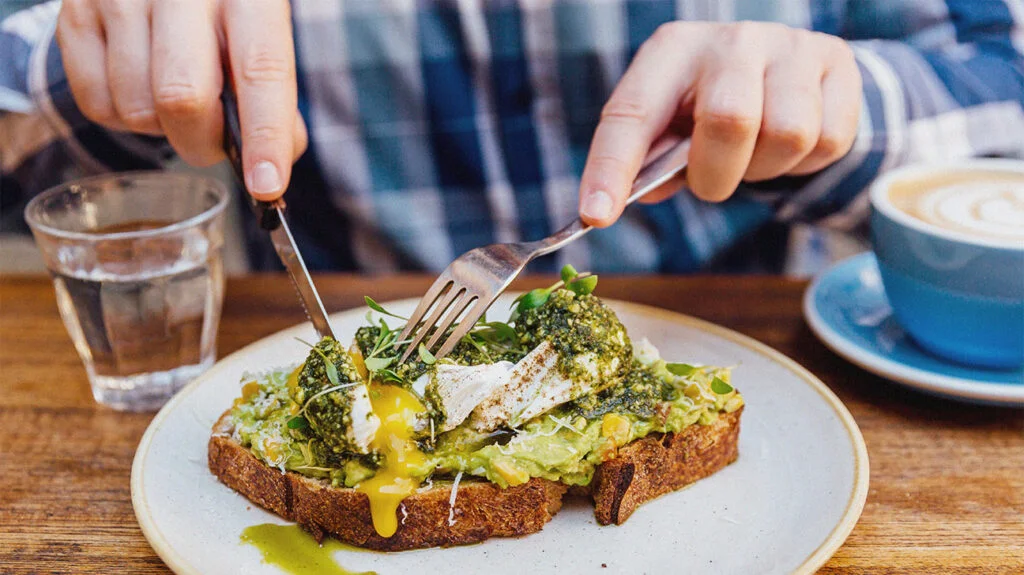
Eating well doesn’t have to feel complicated, restrictive, or exhausting. In fact, the most effective nutrition habits are often the simplest ones—habits you can stick with for years, not weeks. Sustainable health goals are built on consistency, balance, and a realistic approach to food that fits into everyday life.
Below are practical, science-backed nutrition tips that support long-term health without extreme rules or unnecessary stress.
Focus on Whole, Minimally Processed Foods
One of the easiest ways to improve your diet is by choosing foods that are closer to their natural state. Whole foods tend to be richer in nutrients and more satisfying.
Aim to include more of these:
-
Fresh fruits and vegetables
-
Whole grains like oats, brown rice, and quinoa
-
Lean proteins such as eggs, fish, beans, and lentils
-
Healthy fats from nuts, seeds, olive oil, and avocados
This doesn’t mean you must eliminate processed foods entirely. Instead, think of them as occasional additions, not daily staples.
Build Balanced Meals, Not Perfect Ones
You don’t need a calculator to eat well. A balanced plate naturally supports energy, digestion, and nutrient intake.
A simple meal structure includes:
-
Protein for muscle repair and fullness
-
Carbohydrates for energy and brain function
-
Healthy fats for hormone balance and nutrient absorption
-
Fiber-rich vegetables or fruits for digestion and gut health
When meals feel satisfying, cravings and overeating tend to decrease on their own.
Eat Slowly and Listen to Hunger Cues
Sustainable nutrition isn’t just about what you eat—it’s also about how you eat. Eating too quickly often leads to overeating before your body registers fullness.
Try these mindful eating habits:
-
Chew thoroughly and put utensils down between bites
-
Eat without constant distractions when possible
-
Stop when you feel comfortably full, not stuffed
Over time, this strengthens your ability to recognize genuine hunger and fullness signals.
Stay Hydrated Throughout the Day
Even mild dehydration can affect energy levels, concentration, and appetite. Many people mistake thirst for hunger, leading to unnecessary snacking.
Easy hydration tips:
-
Start your day with a glass of water
-
Carry a reusable water bottle
-
Add lemon, cucumber, or mint if plain water feels boring
Consistent hydration supports digestion, metabolism, and overall well-being.
Plan for Consistency, Not Restriction
Strict food rules often backfire. Instead of labeling foods as “good” or “bad,” focus on patterns over time.
Sustainable strategies include:
-
Enjoying treats without guilt
-
Following the 80/20 approach (mostly nutritious foods, some flexibility)
-
Planning meals you genuinely enjoy
When food feels flexible, healthy habits are far easier to maintain.
Prioritize Protein at Every Meal
Protein plays a key role in muscle health, blood sugar control, and satiety. Including it consistently can make meals more filling and reduce random snacking.
Good protein options include:
-
Eggs and dairy products
-
Fish, chicken, or lean meats
-
Tofu, tempeh, beans, and lentils
You don’t need excessive amounts—just steady inclusion across the day.
Make Small Changes That Add Up
Lasting health improvements rarely come from drastic overhauls. Small, manageable changes are more powerful than big promises.
Examples of sustainable upgrades:
-
Add one extra vegetable to lunch or dinner
-
Swap sugary drinks for water a few days a week
-
Cook one more meal at home each week
These small shifts compound into meaningful progress over time.
FAQs: Simple Nutrition for Long-Term Health
1. How long does it take to see results from healthier eating?
Some benefits like improved energy and digestion can appear within days, while weight or metabolic changes may take several weeks of consistency.
2. Is it okay to eat the same meals every day?
Yes. Eating similar meals can simplify planning and improve consistency, as long as overall nutrition is balanced across the week.
3. Do I need supplements for good nutrition?
Most people can meet their needs through food alone. Supplements may help in specific cases but should not replace a balanced diet.
4. How can I eat healthy on a busy schedule?
Simple meals, batch cooking, and keeping nutritious snacks on hand make healthy eating easier even on hectic days.
5. Are carbohydrates bad for sustainable health goals?
No. Carbohydrates are an important energy source. Choosing whole, fiber-rich carbs supports long-term health.
6. How do I avoid emotional or stress eating?
Awareness is key. Identifying triggers, practicing mindful eating, and finding non-food coping strategies can help reduce emotional eating.
7. What’s the most important nutrition habit to start with?
Consistency. Even small, repeated actions—like drinking more water or adding vegetables—create lasting health benefits.


